What Causes Breaks in the Chain of Title?

A property's “chain of title” is its complete, unbroken record of ownership, right from the very first owner to the current one. If you are buying or selling a home, confirming the chain of title is very important. Breaks in the chain occur when there are gaps, inconsistencies, or missing links in the property's public records. These breaks are red flags because they suggest that the person claiming to own the property might not actually have a clear legal right to sell it. A title search is the main way to detect a break in chain of title, which gives all involved parties a chance to resolve the issue before the sale moves forward.
Table of Contents
- What Causes Breaks in the Chain of Title?
- What Is a Chain of Title in Real Estate?
- What Does It Mean When the Chain of Title Is Broken?
- Common Causes of Breaks in the Chain of Title
- How a Broken Chain of Title Affects a Property Sale
- How to Detect a Break in the Chain of Title
- How to Fix a Broken Chain of Title
- How Title Insurance Relates to Chain of Title Issues
- FAQs
What Is a Chain of Title in Real Estate?

In real estate, a chain of title refers to a property's official, unbroken history of ownership stretching from the original government land grant (the “root” of the title) down to the current deed holder.
Each time a property is sold, inherited, gifted, or otherwise transferred, a deed is typically recorded with the county or municipal recorder's office to document the transfer. The chain of title is the timeline of this ownership; it traces every person or entity that has legally owned the property, in chronological order, with each verified transfer of ownership representing a “link” in the chain.
The primary purpose of the chain of title is to establish clear, documented ownership. A clean chain of title means there is an uninterrupted sequence of records connecting the current owner to all previous owners. This proves to buyers and lenders that the person selling the property actually has the legal right to do so and that no one else has a superior claim. Without an uninterrupted chain, the title can become “clouded” (a situation where ownership rights are uncertain or disputed).
What Does It Mean When the Chain of Title Is Broken?
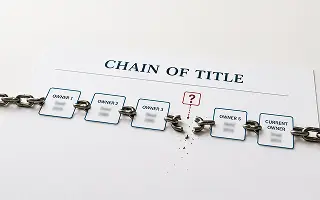
A break in chain of title means there is a gap, inconsistency, or missing link in the property's ownership record. This occurs when the public records do not show a clear, documented, and unbroken path from the current owner back through the property's previous owners.
Broken chains create uncertainty about who legally owns a property, which impacts every stakeholder in a real estate transaction:
- Buyers want assurance that they are purchasing valid, defendable ownership rights.
- Sellers want to provide clear titles that are free from issues.
- Lenders want confidence that their mortgage is secured by a legally transferable property and will not fund a loan if the collateral's ownership is in doubt.
- Title companies want proof that there are no identifiable ownership claims that could later become lawsuits or financial losses.
As such, when a break in chain of title is discovered, it usually leads to delays in the transaction until the issue is resolved or a complete cancellation of the sale. However, it is possible to salvage the situation without losing the sale in most cases.
Common Causes of Breaks in the Chain of Title
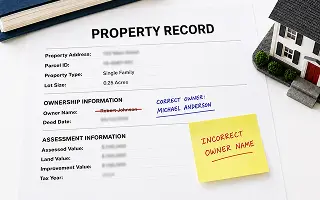
Breaks in a property's chain of title can arise from various situations, ranging from simple paperwork mistakes to complex legal disputes. These issues sometimes go unnoticed for years before surfacing during a sale or refinance.
Missing or Unrecorded Deeds
One of the most common causes of a break in chain of title is a missing or unrecorded deed. This happens when ownership of a property changes, but the deed documenting the transfer is not officially recorded with the appropriate county or municipal recorder's office.
Legally, recording a deed serves as clear public notice that ownership of a property has changed. Even if the transfer was entirely legitimate and done in good faith, title companies and lenders still require a recorded paper trail to validate the current owner's right to the property.
Real-world Example: A parent transfers their country home to a child as a wedding gift. They sign a deed, but no one records it with the county. Years later, the child tries to sell the home. The public records still show the parent as the owner, creating a break in the chain. The missing deed creates a gap in the property's ownership history and must be located or a new one recorded before the sale can proceed.
Errors in Filed Documents
Mistakes in recorded documents are surprisingly common causes of breaks in chains of title. Errors like misspelled names, incorrect property descriptions, missing signatures, improper notarization, and wrongly filed deeds may seem small, but they create major complications that can halt a transaction.
Real-world Example: A deed lists the seller as “John A. Smith”, but the previous deed recorded the owner as “John Alan Smith Sr”. The mismatch raises questions about whether they are the same person, and additional proof (like a corrective deed) may be needed to confirm that both names refer to the same person.
Heir and Estate Issues
Inheritance problems are another common source of chain of title issues. When a property owner dies, ownership does not automatically transfer to their heirs unless the estate is handled properly through probate or another formal legal transfer process. If that process is skipped or done incorrectly, the chain of title effectively stops at the deceased owner. Common inheritance-related breaks occur when:
- Heirs are never formally identified
- Property was inherited informally without recorded deeds
- Wills are contested
- One heir sold the property without approval from the others
These situations become even more complicated when heirs cannot be located or when several years have passed since the original inheritance issue occurred.
Real-world Example 1: A homeowner dies without a will. Their child continues living in the house and eventually decides to sell it. However, because no probate proceeding was ever opened and there is no deed officially transferring ownership from the parents' estate to the child, the child never legally owned the property, so they cannot legally sell it.
Real-world Example 2: A property is inherited by four siblings. If only one sibling signs paperwork during a later sale while the others were never legally removed from the title, the buyeris only purchasing a 25% interest in the home. The other siblings still have a superior claim to the property, creating major potential issues for the new buyer.
Divorce or Separation
Divorce-related title problems are another frequent cause of chain of title breaks. While a divorce decree may award property to one spouse, the transfer is not complete until a deed is recorded, officially removing the former spouse's name from the title. If this isn't done properly, the former spouse may still appear in public records as a co-owner, which can cause problems down the line.
Real-world Example: A husband keeps the house after a divorce settlement, but the quitclaim deed removing the ex-wife from the title is never recorded. Years later, when the husband tries to sell the property, public records still show the wife as a co-owner, creating uncertainty about the husband's full ownership and legal right to sell.
Forged or Fraudulent Documents
Fraudulent documents are among the most serious chain of title issues because they introduce links into the chain that were never legally valid to begin with. These are often referred to as “wild deeds” or “void deeds” because they exist in the record but have no legal authority. Examples include forged signatures on deeds, fraudulent powers of attorney, fake notarizations, and identity theft involving property transfers.
These types of chain breaks are particularly dangerous because they are designed to look legitimate and can go undetected until a professional title examiner really scrutinizes the records.
Real-world Example: A scammer forges the signature of an elderly homeowner on a quitclaim deed, transferring the property to themselves through a shell company. They then quickly sell the property to an unsuspecting buyer who pays in cash. When the original owner or their family discovers the theft, it creates a serious issue for both them and the buyer that has to be resolved through legal proceedings.
Unreleased Mortgages or Liens
Sometimes, a property owner pays off a mortgage, tax debt, or contractor lien, but the official lien release document is never recorded with the appropriate county or municipal recorder's office. Because of this, public records continue to show the debt as an active encumbrance on the title even though it has been satisfied. While this does not technically break the chain of title (since the sequence of owners remains intact), it clouds it. This, in turn, creates a significant hurdle during a sale or refinance, as title companies will refuse to issue an insurance policy until the old debt is proven to be cleared.
Real-world Example: A homeowner pays off their mortgage in full. They receive a “congratulations” letter from the bank, but the lender fails to file a satisfaction of mortgage with the county and eventually goes out of business. During a later sale, the title search flags the old mortgage as an active lien. Because the lender no longer exists, the homeowner cannot simply ask for a new release. They may need to track down the successor bank that bought the old lender's assets or file a legal action to prove the debt was paid, potentially delaying the closing by weeks or months.
How a Broken Chain of Title Affects a Property Sale
A broken chain of title is far more than just a paperwork inconvenience; it directly interferes with your ability to buy, sell, refinance, or insure a property in several ways:
- It Can Affect Financing: Lenders will generally not fund a mortgage on a property with a clouded title. Since the property serves as collateral for the loan, the lender needs to be confident that you (the buyer) will have clear ownership. A broken chain of title undermines that confidence, and the lender may suspend the loan approval until the problem is resolved.
- It Can Delay Closing: Fixing a chain break takes time, sometimes weeks or even months in complex cases. Even for relatively minor issues like recording errors, closing is still usually delayed until the problem is fixed. These delays can become frustrating for both buyers and sellers, especially if moving schedules, financing deadlines, or rate locks are involved.
- It Can Lead to Cancelled Deals: Breaks in chain of title introduce an element of risk that many buyers are unwilling to accept. In some cases, the buyer may choose to walk away from the transaction entirely, especially if the fix is uncertain or the timeline is too long.
- It Can Reduce Sales Proceeds: For chain of title breaks involving liens and claims, the seller may need to forfeit a portion of their profits to pay off the debt or quiet the title.
How to Detect a Break in the Chain of Title

A break in chain of title is usually detected through a professional title search. While this search is a standard requirement for buyers and lenders before closing, sellers may also order one before listing their properties. The search process involves a title examiner meticulously reviewing recorded documents tied to the property (deeds, liens, court filings, tax records, etc.), going back as far as 30 to 60 years, or more. The goal is to verify that the property's ownership transferred properly from one owner to the next without missing links or unresolved claims.
During the search, the title examiner specifically looks for inconsistencies between documents, such as missing transfers, unreleased liens, conflicting owner names, incorrect legal descriptions, and incomplete signatures. Any breaks, mismatches, gaps, or clouds found during the search are flagged and listed in a preliminary title report, which is issued to the buyer, seller, lender, and title company so that the problem can be addressed before closing.
How to Fix a Broken Chain of Title
Most breaks in the chain of title can be fixed as long as you take the right steps. Depending on the nature of the issue, this may include:
- Filing Corrective or Missing Deeds: If a deed was never recorded or contains errors (like a typo in a name or incorrect legal description), you may record the missing documentation or file a corrective document with your county or municipal recorder's office to fix the mistake. This is usually the simplest and fastest way to resolve title issues, provided all involved parties are available and cooperative.
- Obtaining Signatures from Missing Parties: For breaks caused by loose ends in inheritance or divorce cases, you may need to track down and get signatures from heirs, former spouses, or previous co-owners to properly clear the title and fix the chain. This can be time-consuming, especially if the involved individuals have moved or are reluctant to sign.
- Initiating a Quiet Title Action: For complex disputes where ownership cannot be established through standard methods, such as when a missing heir cannot be found, or a forged deed is discovered, a quiet title action may be necessary. This is a lawsuit that asks a judge to formally declare you the rightful owner and “quiet” all other competing claims. Quiet title actions are extremely effective for fixing broken chains of title, but are also expensive and time-consuming, sometimes taking several months or longer to complete.
- Working With Professionals: Title companies and real estate attorneys handle title issues regularly and know exactly what documentation or legal steps are needed. Because title laws vary by state, their professional guidance is often essential, especially for complicated cases.
How Title Insurance Relates to Chain of Title Issues

Title insurance offers crucial protection against chain of title problems. While title searches are designed to uncover ownership issues and chain breaks before closing, some defects can still be missed and remain hidden despite careful research. This is where title insurance comes in. It protects buyers and lenders against financial losses from these hidden issues if they should resurface after closing.
In simple terms, a title search identifies known risks and breaks in chain of title so that these issues can be resolved before the sale closes, while title insurance covers title issues that the search could not find. Together, they both form a layered safety net that allows buyers, lenders, and sellers to confidently proceed with real estate transactions.
FAQs
What Is a Break in the Chain of Title?
A break in the chain of title is a gap, inconsistency, or missing link in the recorded ownership history of a property. It means that public records do not show a clean, chronological path from the property's current owner back through previous owners.
How Common Are Chain of Title Issues?
Relatively minor title issues like recording errors, missing documents, or unresolved liens are quite common, especially with older properties, inherited homes, or properties that have changed hands many times. Serious issues involving fraud or competing ownership claims are less common but can take much longer to fix.
Can You Sell a Property with a Broken Chain of Title?
Technically, yes, but it is very difficult. Most buyers will not purchase a property with a known chain break, and lenders will almost never finance it. While some cash buyers may proceed despite defects, this is uncommon and risky. The usual approach is to fix the break before listing or selling, even if that takes extra time and effort.
How Long Does It Take to Fix a Chain of Title Issue?
Simple fixes, like recording a missing deed or filing a corrective document, can take a few days to a few weeks. However, more complex issues, like quiet title actions involving missing heirs or disputed ownership, often take several months or longer, depending on court schedules and the specific circumstances of the case.
Who Is Responsible for Fixing a Chain of Title Break?
Sellers are typically responsible for fixing title problems since the issue existed before the sale. While title companies, attorneys, and real estate agents usually assist with doing this, the obligation to deliver a clear title falls on the seller. However, buyers and sellers can negotiate who bears the cost of the fix as part of the purchase agreement.
Does Title Insurance Cover Chain of Title Problems?
Yes, title insurance is specifically designed to cover losses from chain of title issues that were not discovered before closing. However, defects that were flagged but not resolved before closing are typically excluded from coverage.
Table of Contents
- What Causes Breaks in the Chain of Title?
- What Is a Chain of Title in Real Estate?
- What Does It Mean When the Chain of Title Is Broken?
- Common Causes of Breaks in the Chain of Title
- How a Broken Chain of Title Affects a Property Sale
- How to Detect a Break in the Chain of Title
- How to Fix a Broken Chain of Title
- How Title Insurance Relates to Chain of Title Issues
- FAQs