Clear Title vs Clouded Title: What's the Difference?

When you hear terms like “clear title” and “clouded title” during a real estate transaction, it refers directly to whether the property's ownership is clean and legally transferable. A clear title means there are no ownership issues, disputes, or claims attached to the property, while a clouded title means there is something in public records that raises questions about the property's true ownership or transfer rights. Whether you are on the buying or selling side of the table, understanding this distinction is crucial because most transactions will not close without a clear title.
Table of Contents
- Clear Title vs Clouded Title: What's the Difference?
- What Is a Clear Title?
- What Is a Clouded Title?
- What's the Difference Between a Clear Title and a Clouded Title?
- Common Causes of a Clouded Title
- How a Clouded Title Affects Buying or Selling Property
- How to Clear a Clouded Title
- How to Check If a Title Is Clear
- Frequently Asked Questions About Clear vs Clouded Title
What Is a Clear Title?
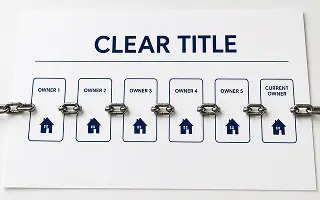
A clear title means that a property's ownership history is complete, properly documented, and free of unresolved legal or financial issues. This includes having an unbroken chain of title, with no active liens, disputes, claims, or encumbrances recorded against it. A clear title is a strict requirement for most real estate transactions, particularly financed purchases. Buyers and lenders need assurance that the seller has the legal right to transfer ownership without any outstanding claims interfering. Because of this, most lenders will not approve a mortgage on a property without a clear title, and buyers generally treat it as a non-negotiable condition of the sale.
What Is a Clouded Title?
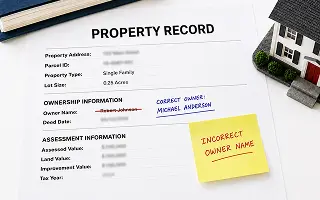
A clouded title (sometimes called a “cloud on title”, “title defect”, or “encumbrance”) is the direct opposite of a clear title. It means that there is at least one unresolved issue recorded against a property that creates uncertainty about the current owner's legal rights. A cloud on title can come from several different sources, such as an unpaid tax lien, an incorrectly recorded deed, or a missing heir from a past estate probate.
Clouded titles can bring real estate transactions to a standstill and have to be resolved before the property's ownership can officially transfer. Most lenders will refuse to fund a loan, and title companies will not issue an insurance policy either, until the cloud is cleared.
What's the Difference Between a Clear Title and a Clouded Title?
Let's take a quick look at some key differences between a clear title and a clouded title
|
Aspect
|
Clear Title
|
Clouded Title
|
|---|---|---|
|
Ownership Status
|
Ownership is fully documented and uncontested | Ownership is affected by unresolved issues or claims |
|
Legal Encumbrances
|
No active liens, disputes, or legal defects exist | At least one defect, lien, or dispute exists |
|
Ability to Sell or Transfer
|
Property sale or refinancing can proceed smoothly | Sale or refinancing may be delayed or blocked |
|
Impact on Financing
|
Lenders are typically willing to approve mortgages | Lenders usually refuse financing until issues are legally resolved |
|
Risk Level
|
The buyer takes ownership without any residual title risk | The buyer faces potential legal or financial risk if they close without clearing the cloud |
Common Causes of a Clouded Title
Several different issues can create a cloud on the title, including:
Liens and Unpaid Debts
Property tax liens, unpaid mortgages, mechanics' liens, court judgment liens, and other unpaid debts are some of the most common causes of a clouded title. These financial claims remain attached to the property until they are paid or released. Because the lienholder retains a legal right to collect from the property's value, the title cannot be considered clear.
Example: If a contractor handled a re-roofing project and was never paid, they might file a mechanic's lien against the property. That lien remains attached to the title, blocking any future sale until it is paid or legally resolved.
Ownership Disputes and Missing Heirs
Ownership disputes often arise when multiple people claim rights to the same property. This usually happens when a property owner passes away, and the estate is not properly probated, resulting in uncertainty over who legally controls the property.
Example: A home passed from a deceased parent to one child without probate. Years later, another sibling claims they were entitled to part ownership. Until the dispute is resolved, it is unclear who actually owns the property.
Errors in Public Records
Even minor clerical mistakes can create major title problems. A misspelled name on an old deed, an incorrect legal property description, a missing signature, or a document that was filed in the wrong county can create inconsistencies in the chain of ownership and raise questions about the title.
Example: A deed listing “Jonathan Smith” instead of “Johnathan Smith” may seem like a minor typo, but it constitutes a cloud on title. Title examiners must verify that both variations refer to the same person before approving a new transfer.
Fraud or Forged Documents
Fraudulent filings can seriously cloud a title. If someone files a forged deed transferring ownership illegally, every subsequent transaction linked to that fraudulent transfer becomes legally questionable. In many cases, the fraud is not discovered for years and often requires court involvement to resolve.
Example: A fraudster using stolen identity information could file a fake deed showing themselves as the new owner and then attempt to quickly cash out by selling or refinancing the property.
Easements and Restrictions
Easements give another party the right to use part of the property for a specific purpose, while restrictions limit how the property can be used. While standard, properly recorded utility easements are generally considered normal, an undisclosed or improperly recorded easement or restriction that surfaces during a property sale can create a major cloud on title and lead to legal complications.
Example: A neighboring property owner may claim long-standing access rights across a driveway that were never formally addressed in the recorded documents. Until this claim is formally mapped, agreed upon, and recorded, it remains a cloud on the title.
How a Clouded Title Affects Buying or Selling Property
A clouded title can cause significant complications during real estate transactions, with consequences for everyone involved:
- Delays in Closing: Resolving a cloud on title takes time, and the transaction is usually put on hold until the issue is addressed. Even relatively simple issues may require additional documentation, payoff confirmations, or county filings before the closing can proceed, which can push back the closing date by a few weeks or more.
- Lender Rejection: Mortgage lenders generally require clear ownership before funding a loan, and most will not approve or fund a loan on a property with a known title cloud. Because the property serves as collateral for the loan, lenders will not accept uncertainty around ownership rights. Until the cloud is cleared, the financing is at risk.
- Legal Complications: Depending on the nature of the issue, attorneys, court filings, or negotiations between multiple parties may be required. These legal steps increase both the cost and timeline of the transaction.
- Potential Deal Cancellation: In situations where the cloud on title cannot be cleared quickly, or at all, the deal may fall through entirely. Some buyers are unwilling to risk uncertainty or wait through a long resolution process, especially in competitive markets where other properties are available.
How to Clear a Clouded Title
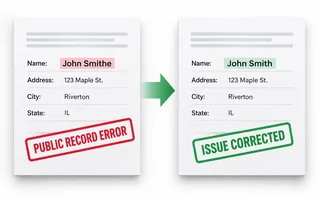
Most clouded titles can be cleared, although the exact solution may vary depending on the nature of the issue. Here are some of the most common ways to resolve a cloud on title:
- Paying Off Outstanding Liens or Debts: If the problem is an unpaid lien, clearing the underlying debt is usually the most straightforward fix. Once the owed amount is paid, the lienholder provides a release document confirming the debt has been satisfied. Note that the release document must be recorded with the appropriate county or local recorder's office to show that the cloud has been officially cleared from the title.
- Correcting Errors in Public Records: Clerical mistakes can usually be fixed by filing corrective documents with the county or municipal recorder's office. This process may involve updating a flawed legal description, recording a corrective deed, or obtaining missing signatures and notary acknowledgments. In some cases, affidavits or supporting documents may also be required to clarify the record, and you may need a title company or real estate attorney to help prepare the necessary paperwork.
- Resolving Ownership Disputes Outside Court: In situations where multiple parties or missing heirs claim ownership rights, the issue may be resolved through negotiations and agreements with the involved parties. For example, a long-lost sibling might agree to sign a quitclaim deed relinquishing their potential stake, or co-owners might formally buy out competing interests. Once these agreements have been reached and the appropriate legal documents are signed and recorded, the cloud on title can often be cleared.
- Utilizing Legal Action When Necessary: For complex clouds such as fraud, competing ownership claims, or situations where parties cannot be located, court intervention may be required. A quiet title action is one common legal process used for these situations; it involves the court reviewing evidence and issuing an order that legally establishes clear ownership and removes the cloud. While legal proceedings can take time, they are usually the most conclusive way to permanently resolve serious title defects.
How to Check If a Title Is Clear

After getting an answer to the question, “What does a clear title mean?” the next logical step is to find out if the title of the property you wish to buy or sell is actually clear. There are several ways to do this, including:
- A Professional Title Search: This is the most definitive and reliable way to determine whether a title is clear. A title company or real estate attorney meticulously examines deeds, mortgages, liens, court filings, tax records, and other public records tied to the property to confirm that its ownership history is unbroken and uncover any hidden issues that could cloud its title. The results of the search are compiled into a preliminary title report that outlines any identified defects that must be resolved before closing.
- Local Public Record Searches: Most counties and municipalities allow public access to recorded property documents. You can review these documents either by visiting local government offices in person (typically the recorder's, assessor's, and tax collector's offices) or through online portals, where available. Note that, while a DIY public record review can help you identify obvious issues early, it should not replace a professional title search.
- Online Property Record Tools: Several real estate platforms aggregate public data into searchable reports that make it easier to review a property's ownership history and filings. These digital tools offer the advantage of pulling records from multiple county or municipal databases into a single interface, giving you a quick snapshot of the property's title status before you order a full professional title search.
Frequently Asked Questions About Clear vs Clouded Title
Can You Sell a Property with a Clouded Title?
Technically, yes. However, most buyers will not purchase a property with a known title cloud, and lenders will not finance it. While a cash buyer might be willing to take on the risk, it would likely be at a significant discount. The best approach is to clear the cloud before listing or selling, even if that takes extra time and effort.
Is a Clear Title the Same as a Clean Title?
The terms “clear title” and “clean title” are generally used interchangeably in real estate. Both refer to a property that has no unresolved liens, disputes, errors, or other issues that would prevent a clean transfer of ownership.
How Do You Remove a Cloud on a Title?
This largely depends on the issue involved. Liens are typically removed by paying the debt and recording a release, while more complex issues like ownership disputes or fraud issues may require negotiations or court action. A title company or real estate attorney can advise you on the best approach for your specific situation.
Does Title Insurance Cover Clouded Titles?
An owner's title insurance policy typically covers hidden defects or problems that were not discovered before closing. However, known title defects identified before closing usually have to be resolved before the insurer will issue the policy.
How Long Does It Take to Clear a Title?
Relatively simple issues can often be resolved within days or weeks, especially if they involve straightforward fixes, like lien payoffs or clerical corrections. More complex disputes involving heirs, fraud, or court proceedings can take several months or longer.
What Is the Most Common Cause of a Clouded Title?
Liens and unpaid debts are some of the most common causes of clouded titles.
Table of Contents
- Clear Title vs Clouded Title: What's the Difference?
- What Is a Clear Title?
- What Is a Clouded Title?
- What's the Difference Between a Clear Title and a Clouded Title?
- Common Causes of a Clouded Title
- How a Clouded Title Affects Buying or Selling Property
- How to Clear a Clouded Title
- How to Check If a Title Is Clear
- Frequently Asked Questions About Clear vs Clouded Title