Title Search Timeline: How Long It Takes and What Affects It

The title search is a critical step in real estate transactions that also directly impacts closing timelines. Because it confirms that the seller truly owns the property and uncovers any hidden issues that could derail the sale, both buyers and lenders rely on it to make informed decisions. If the search takes longer than expected or reveals problems, the entire transaction can slow down while those issues are reviewed and resolved. But exactly how long does a title search take, and what can affect this timeline? Let's find out.
Table of Contents
- Title Search Timeline: How Long It Takes and What Affects It
- How Long Does a Title Search Typically Take?
- What Factors Affect How Long a Title Search Takes?
- How Does a Title Search Work Step by Step?
- What Can Delay a Title Search?
- Can You Speed Up a Title Search?
- How Title Search Timing Affects Closing
- What Comes First: Title Search or Title Insurance?
- Frequently Asked Questions About Title Search Timing
How Long Does a Title Search Typically Take?

So, how long does it take to do a title search? Generally, a standard title search takes between 2 and 10 business days. However, actual timelines are influenced by factors like the property's ownership history, location, and the accessibility of public records. For example, a single-family residential home with clean ownership histories and easily accessible online county records can often be completed in just 2 to 5 days. On the other hand, more complicated properties, such as older homes, inherited properties, or homes with active liens or ownership disputes, may take longer than 10 days, sometimes stretching into several weeks.
Some title companies also offer “rush” services for extra fees. This is an expedited service that delivers a basic title report within a much shorter turnaround period, sometimes as little as 24 hours. However, availability varies by provider and still largely depends on the title company's workload, the property's complexity, and whether the county or municipality's records are fully digitized.
What Factors Affect How Long a Title Search Takes?
The timeline for a title search is not the same for every property. Several variables determine how quickly the work can be completed:
- Property History Complexity: A property that has changed owners multiple times, passed through estates, recorded liens, or been involved in lawsuits generally takes longer to research than a home with a straightforward ownership chain. Each additional transaction creates more documents that must be reviewed and verified carefully.
- Property Age: Older properties usually require more research because their ownership history often stretches back decades or even over a century. The title examiner typically has to review more documents than they would for a recently built home.
- Number of Past Owners: Every transfer of ownership adds another link to the chain of title, potentially increasing the number of recorded documents to verify. A property owned by one family for 40 years may be easier to review than a property that changed hands several times within the last decade.
- Local Record Availability: Counties and municipalities that have digitized their property records usually allow searches to move faster because documents can be reviewed online. On the other hand, in areas that still rely on paper records, microfilm, or in-person courthouse visits, research takes longer because examiners must manually locate and review documents.
- County Workload/Backlog: Even when a search itself is simple, delays can happen if the county or municipal recorder's office is overwhelmed or understaffed. High transaction volume, staffing shortages, or processing backlogs can slow access to critical records needed for the search, especially during peak home-buying seasons.
How Does a Title Search Work Step by Step?
Title searches generally involve several separate stages, and each one takes time and requires careful attention to detail.
Step 1: Collect Property Records

The process begins with gathering all relevant documents connected to the property from public records. These typically include recorded deeds, mortgages, lien releases, tax records, easements, court filings, and any other documents tied to the property's parcel number.
This step is usually completed faster in counties with online databases. However, for counties that require in-person visits or manual searches through physical records, the process can take several days.
Step 2: Review Ownership History

Once relevant records have been collected, the title examiner traces the property's chain of ownership from the current owner back through all previous owners. The goal is to confirm that there is a complete and unbroken chain of title, with each deed properly connected to the next one. To do this, the examiner looks for red flags, such as missing deeds, name discrepancies, incorrect legal descriptions, and gaps in ownership history.
This step is usually the most time-consuming part of the title search process, especially for complex or older properties.
Step 3: Check for Liens and Issues

After reviewing the property's ownership history, the examiner checks for financial claims or legal issues tied to it, such as unpaid tax liens, contractor liens (mechanic's liens), court judgments, easements, deed restrictions, or boundary disputes. Each identified issue is documented and assessed to determine whether it needs to be resolved before the title can be transferred cleanly. Depending on the type of problem discovered, the title search timeline may be extended to allow for additional research or for proper resolution.
Step 4: Prepare the Title Report
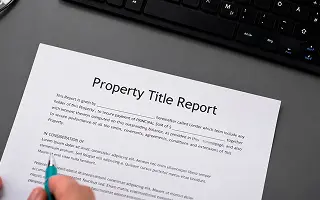
Once the research is completed, the findings are compiled into a preliminary title report. This report summarizes the property's current ownership information, lists any title problems found, and outlines any requirements that must be met before title insurance can be issued. The preliminary report is reviewed by the title company, buyer, seller, and any other involved parties (lender, attorneys, etc.) before the transaction moves forward and closing can proceed.
Title reports are typically delivered within 1 to 2 business days after the background research is finalized. Note that reviewing the report and addressing any issues will add additional time to the overall closing timeline.
What Can Delay a Title Search?
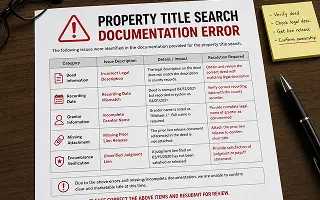
It's normal to wonder, “Why is my title search taking so long?” especially when the process appears straightforward from the outside. However, several issues can cause a title search to take longer than expected:
- Missing or Incomplete Records: If a deed, release, court filing, or other document was never filed or incorrectly recorded, the examiner may need to search alternative sources to track down the missing information. This can add days or even weeks to the process.
- Documentation Errors: Name discrepancies, incorrect property descriptions, missing signatures, filing mistakes, and other similar errors can create significant delays. These inconsistencies typically have to be verified or corrected before the title search can move forward.
- Title Disputes and Unresolved Liens: If the search uncovers an ownership dispute, an unpaid tax lien, or a contractor claim, the process may pause while the involved parties resolve the issue. While some disputes are easy to fix, others may require legal action or negotiation before closing can continue.
- Older or Complex Properties: Properties with lengthy histories, multiple past owners, ties to estates or trusts, or commercial uses typically require more extensive research. The more complicated the ownership history, the longer the search generally takes.
- Manual Record Searches: Counties that have not digitized their records require in-person visits and physical document review. Examiners may need to travel to courthouses, request files, and manually scan through ledgers or microfilm, all of which naturally extend the search timeline.
- Local Government Backlogs: Understaffed or high-volume recorder's offices can also cause delays. Even if the title company is ready to work, they cannot proceed with the search until the county or municipality provides the requested documents.
Understanding these risks helps you build enough buffer into your closing timeline.
Can You Speed Up a Title Search?
While some delays are unavoidable (like county backlogs or missing records), you can take certain steps to speed up your title search process:
- Start Early: Ordering the title search immediately after signing the purchase agreement gives everyone more flexibility if delays arise. The sooner the search begins, the more time you have to address issues without threatening your closing date.
- Provide Accurate Property Information: Incorrect legal descriptions, parcel numbers, or ownership information can waste valuable time. Double-checking these details from the start helps avoid unnecessary corrections later.
- Work With Experienced Providers: Title companies with strong local knowledge and established relationships with county or municipal offices can often navigate the research process more efficiently. They know where to look, who to ask, and how to handle common issues, which can make a noticeable difference in how long it takes to complete the title search.
- Use Online Property Tools: Running your own preliminary property records check before ordering a professional search can help you spot certain red flags early. This allows you to prompt the seller to begin taking necessary actions to resolve these issues, even before the title examiner flags them.
- Ask About Rush Service: If you are under a tight deadline, ask your title company if a rush search is available. Keep in mind that rush fees typically add an extra $50 to $200 (or more) to the total search cost, and availability also varies by location.
How Title Search Timing Affects Closing

The title search directly affects the overall C because several later steps depend on it being completed first.
For starters, mortgage lenders rely heavily on the search results to confirm the property is acceptable collateral. Delays in the search can stall the final loan approval, creating a domino effect across the entire transaction. Title companies (and lenders as well) also need a completed title report before they can prepare official closing documents and schedule the signing. Likewise, if the search uncovers any issues, the closing may be delayed further until these problems are resolved. The more complex the issue, the longer the hold-up.
These timeline shifts also have a direct, tangible impact on buyers and sellers. For sellers, a delay can mean a longer wait to access their sale proceeds. For buyers, it can mean extending rate locks, temporary housing arrangements, or other logistical complications.
What Comes First: Title Search or Title Insurance?

Many people assume the title search and title insurance happen simultaneously, but they do not. The title search always comes first.
Before a title insurance company can underwrite and issue a policy, it must evaluate the property's ownership history and any risks tied to the title. The search does this by reviewing the property's records and flagging any defects that need to be cleared. Once those issues are resolved and any required conditions are satisfied, the title insurance policy can then be issued.
Both the title search and title insurance are essential parts of the closing process, especially for financed purchases where lenders require a clear title and active insurance coverage before funding the mortgage. The two steps work together, with the title search identifying and eliminating known risks and the title insurance protecting against hidden or undiscovered ones.
Frequently Asked Questions About Title Search Timing
Can a Title Search Be Done in One Day?
Yes, some straightforward searches may be completed within one business day, particularly for properties with simple ownership histories that are located in counties and municipalities with digitized records. However, a one-day search is the exception, not the rule; most searches typically take between 2 to 10 business days.
Why Do Title Searches Take So Long?
Title searches take time because they involve careful, detailed research across multiple public records that may span several decades of ownership history. Complex histories, missing records, or county backlogs can also extend the timeline.
What Is the Fastest a Title Search Can Be Completed?
For a simple property in a county with fully digitized records, a rush search can be completed within 24 to 48 hours. However, rush services are not always available and are dependent on record access and the title company's workload.
Does a Title Search Delay Closing?
A title search itself does not necessarily delay closing. However, if the search takes longer than expected or uncovers problems that need resolution, the closing cannot proceed until the title search is complete and any discovered issues are resolved. This is why starting the search early is important.
Who Performs a Title Search?
Title searches are usually performed by title companies or real estate attorneys, depending on state laws and regional customs.
Can You Check a Title Yourself?
You can review public property records by visiting your local recorder's office or searching their online databases, where available. However, a DIY search will not satisfy mortgage lenders or title underwriters. Professional title searches are far more thorough, as trained examiners know what to look for, where to find it, and how to interpret complex legal descriptions and chain-of-title issues.
Table of Contents
- Title Search Timeline: How Long It Takes and What Affects It
- How Long Does a Title Search Typically Take?
- What Factors Affect How Long a Title Search Takes?
- How Does a Title Search Work Step by Step?
- What Can Delay a Title Search?
- Can You Speed Up a Title Search?
- How Title Search Timing Affects Closing
- What Comes First: Title Search or Title Insurance?
- Frequently Asked Questions About Title Search Timing