How to Remove a Lien From a Property Title

A lien is a legal claim against your property filed by someone who says you owe them money. Discovering a lien on your property can be overwhelming, especially if you find out in the middle of a sale or refinance, as it usually stalls the transaction. Unfortunately, this is when most homeowners first encounter them: during a title search, right when they are preparing to close. The good news is that most liens can be cleared with a structured, step-by-step approach.
Table of Contents
- How to Remove a Lien From a Property Title
- What Is a Lien on a Property Title?
- Common Types of Liens on Property
- How Liens Affect Property Ownership and Sales
- Steps to Remove a Lien From a Property Title
- Can You Remove a Lien Without Paying It?
- How Long Does It Take to Remove a Lien?
- How to Prevent Liens on Your Property
- How a Title Search Helps Identify and Clear Liens
- Frequently Asked Questions About Removing Liens From Property Titles
What Is a Lien on a Property Title?

A lien is a legal claim recorded against a property by a person or entity that is owed money. The claimant could be a lender, government agency, contractor, creditor, or even a court. The lien serves as a public notification that the property owner owes a debt and that their property is being used as security for that debt. As such, liens stay attached to properties until the obligation is satisfied or legally removed. This is a critical point. Even if the property changes hands, the lien typically remains with it. This is why resolving liens is a mandatory step before a title can be transferred to a new buyer or used as collateral for a new lender.
Liens are recorded in public property records and can be seen by anyone reviewing the property's records, which is why they usually appear during a title search. Note that if a lien is placed on your property, you still technically own it. However, the title is no longer considered “clean” or “marketable” because another party has a legal financial interest tied to the property. Your control over the property is also limited until the lien is cleared.
Common Types of Liens on Property
Liens can come from several different sources, and the type of lien often determines how it is handled and removed.
Mortgage Liens

Mortgage liens are the most common types of liens. When a lender issues a home loan, a mortgage lien is recorded against the property as collateral for the debt, giving the lender legal rights to the property until the debt is fully paid off.
Once the loan is satisfied, the lender is required to file a Release of Mortgage (or Satisfaction of Mortgage) with the local recorder's office; this document officially clears the lien from the title. Most homeowners routinely deal with mortgage liens without issues because they are a standard and expected part of the financing process.
Tax Liens

Tax liens are liens filed by government agencies, usually the IRS or a local tax authority, when taxes go unpaid. This could be property taxes, federal or state income taxes, or local special assessments. Tax liens are especially serious and take priority over most other types of liens, meaning they typically have to be resolved before other creditors can be paid.
For example, let's say you fall behind on property taxes for two years. At the same time, you owe a contractor for a kitchen remodel. Both the county and the contractor place separate liens against the home. You must settle the tax lien first before paying the contractor's lien, and both liens have to be paid before you can sell or refinance the property.
Judgment Liens

A judgment lien is created when a court rules that a property owner owes money to another party. These liens commonly arise from lawsuits, unpaid credit card debts, divorce settlements, medical bills, and collection actions. Once the court issues the judgment, the winning party can record it against the debtor's property.
A major challenge with judgment liens is that many homeowners often do not even realize that they are attached to their property until years later, when the lien surfaces during a refinance or home sale.
Mechanic's Liens
Mechanic's liens (sometimes called contractor's liens) are filed by contractors, subcontractors, or suppliers who were not paid for work performed on a property. They are common during renovation and construction projects. A key characteristic of these types of liens is that they can be filed even if you paid your general contractor in full, provided that the contractor failed to pay their subcontractors.
For example, you hire a contractor to remodel your kitchen and pay them the full $20,000. However, the contractor never pays the tile supplier their $3,000 bill. Even though you held up your end of the deal, the tile supplier can file a mechanic's lien against your home to recover their costs, and you may be forced to pay them directly to clear your title.
It is important to note that mechanics' liens are governed by state-specific laws, with strict timelines for filing (usually ranging from 60 to 120 days) after the work is completed.
How Liens Affect Property Ownership and Sales

Liens complicate a property owner's ability to transfer or refinance the property because they create legally recorded claims against its value. Here's a practical look at what happens when a lien is placed on your home:
- They Prevent Clean Title Transfers: Most buyers and lenders will not move forward with a transaction until all recorded liens are resolved because title companies generally cannot issue title insurance policies if unresolved claims remain attached to the property.
- They Commonly Lead to Closing Delays: If a lien is discovered late in a transaction, the closing date will likely be postponed while the debt is verified, negotiated, and cleared. This can frustrate everyone involved, especially if movers, financing, or rate locks are already scheduled.
- They Can Block Refinancing: Most mortgage lenders will not refinance a property with unresolved liens. Lenders generally need to be the first priority lienholder (first in line to get paid if the property is ever sold). Because existing liens, especially tax or judgment liens, would stay ahead of a new mortgage in the payment hierarchy, most lenders will refuse to refinance until those prior debts are paid in full.
- They Reduce Sales Proceeds: If you are selling a home and cannot resolve a lien before the closing date, the amount owed is typically deducted directly from your profit. The escrow or title company will pay the claimant out of your sales proceeds to ensure the new buyer receives a clean title. This is why savvy homeowners run a preliminary title search before listing their property; it prevents a surprise debt from eating into their expected profits at the last minute.
Steps to Remove a Lien From a Property Title

Removing a lien from a property generally follows a clear, step-by-step process, and understanding each step can help you move through it efficiently.
Step 1: Identify the Lien

Before you can remove a lien, you need to know exactly what you are dealing with. By identifying the liens, you can determine the specific type of lien involved, who filed it (the claimant), when it was filed, and the total amount claimed. There are two primary ways to do this:
- Professional Title Searches: This is the most reliable method. A title company will perform a comprehensive review of public records related to your property (land records, tax rolls, court judgments, etc.) to provide a report of all claims recorded against the property.
- DIY Searches: You can also check your local recorder or assessor's website directly, usually at no cost. Most counties and municipalities offer online access to property records through portals and databases that can be searched by address or parcel number to view digital copies of any recorded liens, judgments, or other claims against your property.
Step 2: Verify the Debt
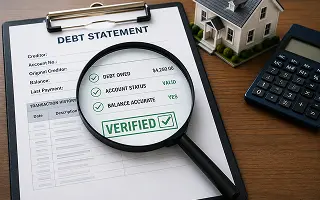
The next step to take is confirming that the lien is legitimate and that the amount is accurate. Before you pay anything, contact the lienholder directly, request a formal payoff statement, and review it. This document provides the exact amount needed to satisfy the lien, including any interest, fees, or penalties that may have accrued.
This step is important because mistakes in public records are common, and liens are not exempted (especially older judgment liens or contractor liens). Sometimes the debt may have been paid already but the release was never recorded, the amount claimed might be incorrect, or the lien might have been filed against the wrong property entirely. Verifying the debt first can prevent unnecessary payments and delays, particularly if the lien turns out to be invalid or already satisfied.
Step 3: Pay Off or Settle the Lien
In most situations, paying the debt is the fastest way to get a lien off your house. Payment can be made directly to the lienholder or through an escrow account at closing, where the lien amount is deducted from the sale proceeds. For some liens, particularly tax liens or judgment liens, you may even be able to negotiate a reduced settlement amount. Some claimants may be willing to accept a lump-sum payment that is less than the total balance just to close the file. While this can save you a significant amount of money, the negotiation process takes time and must be properly documented (usually with a “settlement agreement”).
Likewise, if you have verified that the debt is legitimate but you cannot pay it all at once, you can reach out to the lienholder to discuss a payment plan. Keep in mind that most lienholders will not release the lien until the final payment is made. In some cases, they might agree to “subordinate” the lien (allow another lender to move ahead of them) or release it early if you provide other collateral, but this is typically more common for nonresidential properties.
Step 4: Obtain a Lien Release Document
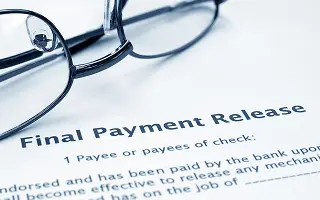
Paying off a lien is half the battle. After you do that, you must ensure that the lienholder provides a release document confirming the debt has been satisfied. This is very important. A verbal agreement, email confirmation, canceled check, or bank receipt is not enough to clear the title officially. The release (sometimes called a release of lien, a satisfaction of mortgage, or a discharge of judgment) must be a formal, notarized document from the lienholder that includes the following details:
- The property owner's name
- The property's legal description and/or parcel ID
- The original lien details
- A clear statement that the debt is satisfied and the lien is released
Without the release, the lien will still appear in public records and future title searches.
Step 5: Record the Release

This is the definitive final step to removing a lien from a property title. Many owners assume that liens automatically disappear once the debt is paid, but that is not true. Until the release is officially recorded with the appropriate county or municipal recorder's office, the lien may still appear against the property. Recording fees are usually relatively small (about $15 to $50 per document) and vary by location.
Note that even though the lienholder is legally required to prepare and record a lien release once the debt is paid in full, you (the property owner) should always follow up to ensure that this has been properly done. This step is one of the most overlooked parts of how to remove a lien on a house, yet it is what officially clears the title. You can contact your local recorder's office to confirm whether a lien release has been filed and indexed. It is also a good idea to request a copy of the recorded release document for your records.
Can You Remove a Lien Without Paying It?

Paying off the debt is generally the most common way to clear a lien. However, in certain situations, a lien may be challenged or removed without paying the full amount or making any payment at all. It should be noted that these options are generally less straightforward and often require legal assistance to navigate successfully:
- Erroneous or Invalid Liens: If a lien was filed incorrectly (against the wrong property, for an incorrect amount, against a person with a similar name, etc.), you can challenge it. This usually involves a formal dispute process with the lienholder or the courts. You will typically need clear supporting evidence, such as property deeds, parcel maps, or payment receipts, to back your claim.
- Expired Liens: Most liens have a statute of limitations and expire after a specified period if the lienholder does not take legal action to renew or enforce them. If a lien is past its legal expiration date, it can be challenged and removed. However, the rules for this vary significantly by state and lien type and can also be quite complicated, so it is best to seek professional advice before taking this step.
- Legal Disputes/Court Action: If the underlying debt for the lien is disputed, you can contest it in court through a quiet title action. This is a special type of lawsuit designed to “quiet” any challenges to your ownership. For example, if a contractor performed defective work that violated your contract but goes ahead to file a lien against your property for non-payment, you can argue that the lien is invalid. If the court agrees, it will issue a judgment ordering the lien to be removed.
- Negotiated Settlements: Some lienholders may agree to accept less than the full amount owed in exchange for releasing the lien, especially when full collection appears unlikely or to avoid a lengthy court battle.
How Long Does It Take to Remove a Lien?

The timeline for clearing a lien from a property primarily depends on the type of lien and the responsiveness of the involved parties.
For straightforward liens where the debt is clear and the lienholder is cooperative, the process is relatively fast, and the lien can usually be removed within days or a few weeks once payment is made and the release is recorded. Mortgage payoffs are a common example of this, as lenders typically already have established release procedures. On the other hand, in more complex situations, such as lien disputes involving court action, negotiated settlements, or unresponsive lienholders, resolving the lien can sometimes take several months.
Also, in some cases, even after the lienholder signs a release, county and municipal offices may take additional time to update the official public record. Depending on the office's recording process and backlogs, this can add an extra 2 to 4 weeks to the timeline. This delay is important to account for when scheduling closing or refinance deadlines. Communicating with your title company and real estate agent about the lien can help you manage timing expectations.
How to Prevent Liens on Your Property
Avoiding liens is usually much easier and less expensive than removing them later. Here are some practical strategies to help you with this:
- Pay Property Taxes on Time: Tax liens are among the most common property liens and can grow quickly from accrued penalties and interest if left unaddressed. Consider setting up automatic payments or reminders to ensure that your taxes are paid before they go delinquent.
- Periodically Check Property Records: Regularly reviewing public records (at least once or twice a year) can help you catch unexpected filings against your property early. This is especially helpful for spotting fraudulent filings or unreleased liens before they interfere with future transactions.
- Request Lien Waivers: Whenever you pay a contractor for work, always request a signed lien waiver from them acknowledging that they have been paid and waiving their right to file a lien for that specific work. For large projects, you can request a “conditional waiver” before payment and an “unconditional waiver” after the check clears. Also, ensure your general contractor provides waivers from their subcontractors and suppliers.
- Use Detailed Written Agreements: Never allow construction or renovation/remodeling work to begin on your property based on a verbal handshake. Always use detailed written contracts that clearly outline payment terms, scope of work, and lien waiver requirements. This helps reduce misunderstandings down the line and creates a paper trail that protects you if a contractor or subcontractor tries to file a mechanic's lien in court.
- Utilize Property Record Monitoring Tools: Property record tools make it easier to monitor recorded filings without physically visiting government offices. Many government recording offices and private platforms also offer alert services that notify you when new records are filed against your property, serving as your first line of defense against potentially fraudulent filings.
How a Title Search Helps Identify and Clear Liens

Title searches play a major role in identifying and resolving liens before they become closing-day emergencies. These searches review recorded documents tied to a property and flag any problems that could affect its ownership rights, which include liens. Running a title search before listing a property or applying for refinancing gives you enough time to address issues and clear liens without the pressure of a pending transaction and trying to meet closing deadlines.
And if the search returns a clean title report, it gives you and any other parties involved in the transaction (buyers, lenders, and title companies) confidence that the sale can proceed smoothly without last-minute surprises.
Frequently Asked Questions About Removing Liens From Property Titles
Can You Sell a Property with a Lien?
Technically, yes, but the lien must usually be paid off at or before closing. Most times, the lien amount will be paid directly from your profits during escrow. If the sale proceeds are not enough to cover the lien, you may need to bring additional cash to closing.
How Do I Find Liens on My Property?
Ordering a professional title search is the most reliable way to find if any liens are attached to your property. You may also look up property records directly to check for recorded claims against the property
What Happens If a Lien Is Not Removed?
Unresolved liens remain attached to the property and can delay or block a sale or refinance. In some cases, the liens may accrue interest and penalties, and the lienholder can eventually force a sale of the property (foreclosure) to collect what is owed.
Can Liens Be Negotiated or Reduced?
Yes, especially for tax liens and judgment liens. This is called a settlement or compromise. Note that it takes longer to arrange than a straight payoff but it can save you significant money.
Who Is Responsible for Removing a Lien?
The property owner is generally responsible for resolving liens before selling or refinancing. If the lien is discovered during a sale, payment may come directly from the sale proceeds during closing rather than from the owner's personal funds upfront. In very rare “as-is” transactions, a buyer may agree to take title with the lien attached, though most lenders will not allow this.
Do Liens Go Away Automatically?
No. Even after the debt is paid, the lien typically remains on record and will show up on title searches until a lien release is properly filed and recorded with the appropriate government office.
Table of Contents
- How to Remove a Lien From a Property Title
- What Is a Lien on a Property Title?
- Common Types of Liens on Property
- How Liens Affect Property Ownership and Sales
- Steps to Remove a Lien From a Property Title
- Can You Remove a Lien Without Paying It?
- How Long Does It Take to Remove a Lien?
- How to Prevent Liens on Your Property
- How a Title Search Helps Identify and Clear Liens
- Frequently Asked Questions About Removing Liens From Property Titles