What Types of Defects Does Title Insurance Cover?

If you are looking to buy a home, you've probably been told that you need to protect your investment against hidden issues that could threaten your legal ownership rights. These issues are known as title defects, and they can create serious problems if they surface after you close on the property.
A title search helps uncover most of these issues before you sign the final paperwork, but not all problems are easy to find, and even professional searches can miss some things. That is where title insurance comes in. But what does title insurance cover? Essentially, it acts as a safety net that protects you against title defects that may not show up during a standard title search.
Table of Contents
- What Types of Defects Does Title Insurance Cover?
- What Is a Title Defect?
- Common Types of Title Defects Covered by Title Insurance
- Hidden vs Known Title Defects: What's the Difference?
- What Title Insurance Typically Does NOT Cover
- How Title Defects Are Discovered and Handled
- Why Title Insurance Matters for Title Defects
- Frequently Asked Questions About Title Defects and Title Insurance
What Is a Title Defect?

A title defect is any issue that affects your legal ownership of a property or makes it difficult to transfer that ownership to someone else. Think of them as “clouds” hanging over your title. These issues are tied to the property's history, meaning that they remain attached to it, not the current owner, and are transferred to anyone who buys the property. Title defects can take many forms, including unpaid debts and liens, errors in public records, forged documents, and ownership disputes or missing heirs.
While many of these defects can be uncovered by a title search, some are difficult to detect and remain hidden. These hidden issues are particularly concerning because they usually don't appear until years after you've already purchased the home. If left unresolved, they can lead to costly legal battles, threaten your equity, and make it extremely difficult to sell or refinance your home in the future.
Common Types of Title Defects Covered by Title Insurance
Title insurance protects against a range of defects that can affect ownership. Here are some of the most common issues covered by a standard title insurance policy:
Liens and Unpaid Debts

A lien is a legal claim against a property because of an unpaid debt. These debts could be from contractor bills, property taxes, or court judgments. Liens stay with the property, not the owner, meaning that if a lien isn't paid off before closing, it becomes your problem.
Practical Example: A previous owner hired a contractor to put in a new roof but still owes $8,000 for the job, so the contractor filed a mechanic's lien on the property for the outstanding balance. If that lien was not discovered before closing, it becomes your responsibility as the new owner. This is where title insurance steps in. It helps cover the cost of resolving these types of claims, so you're not left paying for someone else's debt. Without title insurance, you would have to pay that $8,000 or fight it in court.
Ownership Disputes

Ownership disputes arise when someone else claims a legal right to your property. This could be a previously unknown heir, a former spouse who was never removed from the deed, or a co-owner whose signature was never obtained for a sale.
Practical Example: You buy a home from a seller who inherited it from their parents. A few years later, a long-lost sibling surfaces, claiming to also be an heir who never agreed to the sale. They take you to court to claim their share of the property. Title insurance covers your legal defense and any financial loss if the court rules against you.
Errors in Public Records

Mistakes in public records are more common than many people realize. Errors like misspelled names, incorrect property descriptions, or improperly recorded documents can create gaps in the ownership history, which may cause problems when you try to sell or refinance the property.
Practical Example: The county recorder misspells the seller's last name as “Barron” instead of “Baron” on a recorded deed. Years later, when you try to sell the home, a title search flags this as a potential break in the ownership chain. What seems like a small error can end up taking weeks and costing hundreds of dollars to correct. Title insurance covers these costs.
Fraud and Forgery

Title fraud occurs when someone forges a signature, files a fraudulent deed, or impersonates a property owner to illegally transfer or borrow against the property. Fraud and forgery are among the most serious title defects and also usually the hardest to detect before closing because fraudulent documents can look completely legitimate.
Practical Example: A scammer forges the signature of the property owner on a quitclaim deed, “transferring” ownership to themselves. They then sell the property to an unsuspecting buyer, you. The original owner surfaces months later, demanding their home back, and you are caught in the middle. Title insurance covers your financial losses and legal defense costs if this fraud is not discovered before closing.
Unknown Easements or Restrictions
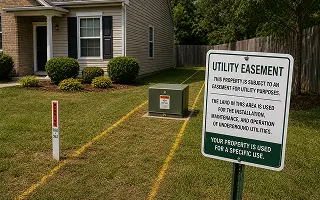
An easement gives another party (like a neighbor or utility company) the legal right to use part of your property for a specific purpose. If these easements aren't disclosed or recorded properly, they can severely limit how you can use your property.
Practical Example: You buy a home with a large backyard, planning to build a garage. After closing, you discover that the local utility company has an easement running through the exact spot where you wanted to build. You cannot build the garage without the utility's permission, which they will likely not give. Title insurance covers the loss in property value caused by this undisclosed easement.
Invalid or Improper Deeds

A deed can be considered invalid if it was signed by someone without the legal authority to do so, was not properly witnessed or notarized, was executed under pressure or fraud, and for several other reasons. If a previous deed in the chain of title is deemed invalid, it can call the entire ownership history into question.
Practical Example: An elderly homeowner with diminishing mental capacity signs a deed transferring their home to a family member. After their passing, other heirs challenge the deed, claiming the homeowner did not understand what they were signing. The court agrees, effectively voiding the deed. Since you bought the home from that family member, your ownership is now in question. Title insurance protects you in these situations.
Hidden vs Known Title Defects: What's the Difference?

Not all title defects are treated the same way. Understanding the distinction between known and hidden title defects is central to understanding how title insurance protects against losses:
- Known Defects: These are problems that were already visible in public records or disclosed before closing. If a title search uncovers a defect and you decide to close without the issue being resolved, title insurance will not cover that issue, and it would be listed as an “exception” in your policy.
- Hidden Defects: These are issues that could not reasonably be uncovered through a standard title search. They may involve fraud, missing records, or unknown heirs. Title insurance is specifically designed to protect against these types of risks.
In situations where the seller or title company is aware of a defect but fails to disclose it, your title insurance may cover the issue. However, the extent of this coverage will be determined by the terms of the policy and the specific details of the situation.
What Title Insurance Typically Does NOT Cover

While title insurance provides valuable protection for your investment, it has limits. Standard policies do not typically cover the following:
- Future Events and Issues: Title insurance only covers defects that existed before your purchase date. If you fail to pay property taxes or a contractor you hired puts a lien on your home after you take ownership, that's your responsibility.
- Known Exceptions: If a title search flags a problem and you choose to close the transaction without having it cleared, that issue will be listed as an exception in your policy. Once an issue is listed as an exception, it is excluded from coverage.
- Zoning and Land Use-Related Issues: Government-imposed restrictions, such as local zoning laws, building codes, or environmental regulations, are not considered title defects. If you find out after closing that you cannot run a business out of your garage or that your fence violates a city setback rule, title insurance cannot help with this.
- Physical Property Condition or Damage: Title insurance protects your legal ownership rights, not the physical state of the property. Issues like a leaky roof, mold, cracked foundations, or pest infestations are not title defects. These are matters for a home inspector or your homeowner's insurance policy.
How Title Defects Are Discovered and Handled

Title defects can be discovered at different stages of a real estate transaction. How they are managed generally depends on when the issue is identified.
- Pre-Closing: A title search is conducted early in the transaction process to identify potential defects. This generally involves reviewing public records for liens, ownership gaps, and legal claims. If a defect is discovered, the title company works with the current property owner (the seller) and their attorneys to resolve it. Depending on the nature of the defect, this could mean paying off a lien, filing a correction with the county recorder, obtaining a release from a creditor, or settling ownership disputes. This can take a few days to several weeks (or even longer), and closing is usually delayed until the issue is fully addressed.
- Post-Closing: If a title defect is discovered after you have closed on the property, you can file a claim with your title insurance provider. Note that you may be required to provide documentation of the newly discovered issue. The title insurance company will investigate the claim, and if it is valid, they will help resolve the issue and cover legal defense costs or compensate you for financial losses, if necessary.
This layered approach ensures that you are comprehensively protected: the search reduces known risks by catching and resolving issues before closing, while the insurance handles any defects that were missed, hidden, or impossible to find.
Why Title Insurance Matters for Title Defects

Title defects can be costly and time-consuming to resolve. Title insurance provides a critical safety net by:
- Covering Legal Defense Costs: If someone challenges your ownership in court, attorney fees and legal expenses can add up quickly, sometimes running into tens of thousands of dollars, even for a case you may ultimately win. Title insurance covers those costs so you do not have to.
- Reimbursing Financial Losses: You are not left bearing the financial burden for someone else's unpaid debt or a costly record error. If a covered defect results in a financial loss, the title insurance policy will compensate you up to the covered amount.
- Providing Peace of Mind: Real estate transactions can be risky, and no matter how thorough a title search is, it can still fail to uncover all title problems. Knowing that hidden defects are covered gives you confidence to move forward with a purchase without worrying about having to carry all the risk by yourself.
Frequently Asked Questions About Title Defects and Title Insurance
What Is the Most Common Title Defect?
Liens are one of the most common title defects uncovered by title searches, with unpaid property taxes, outstanding mortgage balances, unpaid contractor bills, and court judgments being some of the most frequent discoveries.
Does Title Insurance Cover All Defects?
No, it does not. Title insurance is specifically designed to cover issues that existed before the property was purchased but were not discovered during a title search. Issues that arise after closing, known defects you closed without resolving, zoning violations, and physical property damage are not covered. Exclusions are typically stated in your policy.
Are Liens Always Covered by Title Insurance?
Liens are usually covered if they were not discovered before closing. However, if you knew about the lien and closed anyway, it would not be covered.
What Happens If a Title Defect Is Found after Closing?
If you have an owner's title insurance policy, you can file a claim. Your insurer will investigate, provide legal defense if needed, and cover losses up to your policy amount.
Can Title Defects Be Fixed Before Closing?
Yes, many title defects can be resolved before closing. This may involve paying debts, correcting records, or resolving disputes. The key is discovering the issue early so there is time to fix it before closing day.
How Do You Check for Title Defects?
Ordering a title search from a reputable title company is the best way to check for title defects. They will review public records, trace the chain of ownership, and produce a report listing any identified issues. While you can check county records yourself, a professional title search is far more thorough and reliable.
Table of Contents
- What Types of Defects Does Title Insurance Cover?
- What Is a Title Defect?
- Common Types of Title Defects Covered by Title Insurance
- Hidden vs Known Title Defects: What's the Difference?
- What Title Insurance Typically Does NOT Cover
- How Title Defects Are Discovered and Handled
- Why Title Insurance Matters for Title Defects
- Frequently Asked Questions About Title Defects and Title Insurance