What Is a Title Search Report and What Does It Include?

The title search report is one of the most important documents you'll receive before closing on a property. At first glance, it can look dense and technical, packed with complex legal descriptions, recording dates, and unfamiliar terms. However, carefully reviewing this document is essential because it outlines crucial information found during the title search, including any flagged issues that could directly affect your ownership rights. Luckily, most title reports follow a similar structure, and once you understand the key sections, they become much easier to read and evaluate.
Table of Contents
- What Is a Title Search Report and What Does It Include?
- What Is a Title Search Report?
- What Does a Title Search Report Look Like?
- Key Sections of a Title Search Report Explained
- How Do You Read a Title Search Report Step by Step?
- Common Issues You Might See in a Title Report
- Why Reviewing a Title Search Report Matters Before Closing
- How Property Tools Can Help You Understand Title Reports
- Frequently Asked Questions About Title Search Reports
What Is a Title Search Report?

A title search report is a formal document prepared by a title company or an independent title examiner after a thorough review of a property's public records. It summarizes the property's ownership history and identifies any issues that could affect the transfer of ownership. The report is typically ordered after a purchase agreement is signed and is used by buyers, sellers, lenders, and title insurers to understand the current state of the property's title. Keep in mind that a title search report does not guarantee a clean title; it only shows what the search found, so that outstanding issues can be addressed before closing.
What Does a Title Search Report Look Like?
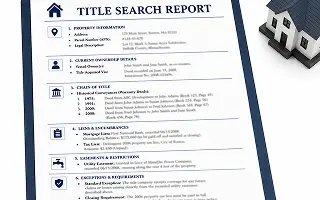
A title search report usually includes several standard sections organized in a structured format. Here's a simplified title report example to give you a clear idea of what this document looks like:
- Address: 123 Main Street, Boston, MA 02110
- Parcel Number (APN): #123-45-678
- Legal Description: Lot 12, Block 3, Sunny Acres Subdivision, Suffolk County, Massachusetts.
- Vested Owner(s): John Smith and Jane Smith, as co-tenants.
- Title Acquired Via: Deed recorded on June 15, 2008, Instrument No. 2008-123456.
-
Historical Conveyances (Warranty Deeds):
- 1975: Deed from ABC Development to John Adams (Book 123, Page 45)
- 1991: Deed from John Adams to Susan Johnson (Book 234, Page 56)
- 2000: Deed from Susan Johnson to Fred Johnson (Book 345, Page 67)
- 2008: Deed from Fred Johnson to John Smith and Jane Smith (Book 456, Page 78).
- Mortgage Lien: First National Bank, recorded 06/15/2008. Outstanding Balance: $175,000 (to be paid off and satisfied at closing).
- Tax Lien: Delinquent 2006 property tax lien, City of Boston. Amount: $2,450 (Unpaid).
- Utility Easement: Granted in favor of MassElec Power Company, recorded 06/15/2008, running along the rear 4 feet of the property.
- Standard Exception: The title company excepts coverage for any future claims or losses arising directly from the recorded utility easement described above.
- Closing Requirement: The 2006 property tax lien must be paid in full and a formal satisfaction piece recorded before closing to issue a clean policy.
Keep in mind that this is just a simplified illustration of the details that a title search on home document will provide. The exact layout of actual reports often varies by title company, and official documents often contain more legal descriptions, recording references, and technical language. However, almost all title reports generally contain this same core information.
Key Sections of a Title Search Report Explained
Most title search reports are generally organized into the same core sections, and knowing exactly what each one covers makes it much easier to review the document.
Property Information

This section of the report identifies the exact property being searched and usually outlines the property address, legal description, parcel number, lot or subdivision information, and sometimes the county and state. The legal description is particularly important because it defines the exact boundaries of the property in a way that a street address does not.
What to Check: Compare the property information to what is in your purchase agreement and confirm that the property described matches the one you are buying, including the correct address and legal boundaries. If any detail does not match, flag it immediately and bring it up with the title company or your real estate agent. Even small mistakes, such as an incorrect parcel number or legal description, can create confusion about what property is actually being transferred.
Current Owner Details

This section lists the property's current legal owner as shown in public records. It typically includes the owner's full name, how they hold the title (e.g., sole owner, joint tenants, tenants in common), and the recording information for the deed that transferred ownership to them.
What to Check: Confirm that the name of the seller in your purchase agreement matches the name listed here. If the names do not match, or if an unexpected owner appears, that may indicate a title problem that needs further investigation.
Chain of Title (Ownership History)
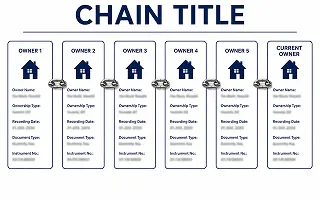
The chain of title section confirms that ownership has transferred seamlessly from one party to the next over time without structural gaps. However, unlike a traditional, exhaustive abstract of title example that would show every historical document and land patent stretching back decades (or even centuries), the title report provides a streamlined chronological summary of deeds establishing the root of the title up to the present day. Each entry details the grantor (seller), the grantee (buyer), the deed type, the recording date, and the book/page reference number.
What to Check: Look for any gaps in the sequence or transfers that seem out of order. This could be missing ownership transfers, overlapping ownership dates, transfers recorded out of sequence, or unusual deed activity. A break or inconsistency in the chain of title can raise questions about whether the current owner has full legal authority to sell the property.
Liens and Encumbrances

This section lists any outstanding financial claims or legal obligations recorded against the property, such as mortgage balances, unpaid property taxes, contractor liens (mechanic's liens), court judgments, or HOA liens. These items represent clouds on the property's title that must be resolved before ownership can transfer cleanly.
What to Check: Carefully review every item listed and ask questions about anything you do not recognize or that you were not previously told about by the seller. Some entries are generally considered routine, like the seller's current mortgage, which will be paid off at closing. Others, such as an unpaid tax lien or a contractor lien from work done years ago, are problems that the seller must address before closing.
Easements and Restrictions

The easements and restrictions section covers any recorded rights that give a third party access to part of the property or any deed restrictions that limit how the owner can use it. Common examples include utility easements, shared driveway agreements, drainage easements, HOA restrictions, and conservation easements. Items listed in this section usually stay with the property after the sale closes.
What to Check: While common easements do not necessarily prevent a purchase, you still need to understand what rights other parties may have over the property and whether any restrictions affect how you plan to use it. For example, a utility easement along the back property line might not bother you, while a restriction that prohibits building a fence or running a business from home might be a deal breaker.
Title Exceptions and Notes
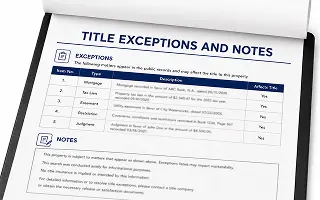
This section lists items the title company is excluding from insurance coverage (exceptions) and any conditions that must be met before the final title insurance policy can be issued (requirements). The exceptions and requirements section usually contains the title report's most important action items, such as paying off liens, providing probate paperwork, recording missing documents, or correcting ownership discrepancies.
What to Check: Read every exception and requirement carefully with your real estate agent, attorney, or title officer to make sure you clearly understand what still needs to happen before closing. For example, if a known easement is listed as an exception, that means the title insurance will not cover losses related to that easement. If a requirement says a lien must be paid before closing, that's a condition that must be satisfied before the policy can be issued.
How Do You Read a Title Search Report Step by Step?
Reading a title report can feel overwhelming. However, the process becomes much easier when you approach it in a systematic order that focuses on what matters most:
- Start With the Property Information and Ownership Details: First, confirm that the address, legal description, parcel number, and seller's name all match what is in your contract. If these basics are wrong, the rest of the report may be referencing the wrong property.
- Move to the Liens and Encumbrances Section: Next, carefully review every lien or financial obligation listed in the report. Ask questions about unknown liens, unpaid taxes, contractor claims, court judgments, or any other item listed in this section, and verify how the seller plans to resolve these items before or at closing.
- Review Easements and Restrictions: Read through any easements, access agreements, or restrictions tied to the property. Pay particular attention to anything that could restrict future renovations, impact parking and property boundaries, or conflict with plans for commercial or rental operations. If any restriction concerns you, ask questions before closing.
- Carefully Read the Exceptions and Requirements: This section deserves extra attention because it outlines the conditions that must be met before a title insurance policy can be issued and the deal closed. Anything listed as a permanent exception will be entirely excluded from your insurance protection. Discuss items listed here with your agent, attorney, or the title company, and do not sign off on the report until you clearly understand what responsibilities fall on whom and what risks are being excluded from coverage.
Common Issues You Might See in a Title Report
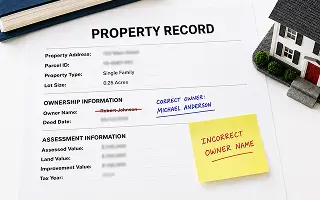
The primary purpose of a title report is to identify and outline specific issues that need to be addressed or resolved before the transaction can close. Some of the most common title problems uncovered in these reports include:
- Liens and Unpaid Debts: This is usually the most frequent finding. A standard title search on a home will often uncover issues like existing mortgages, unpaid property taxes, contractor liens, HOA balances, or court judgments attached to the property. Routine liens like the seller's mortgage are typically paid off at closing, while more problematic debts like a court judgment or an IRS tax lien often require the seller to act before closing can proceed.
- Ownership and Vesting Disputes: A title report can sometimes reveal critical ownership inconsistencies, such as a missing signature from a co-owner, unresolved inheritance issues, an improperly documented transfer, multiple parties claiming ownership, or a former spouse still listed on title. These issues raise questions about who has the legal right to sell the property and may require additional documentation or legal correction before the transaction can proceed.
- Errors in Public Records: Simple clerical errors and technical inconsistencies, like a name spelled differently across two deeds, a wrong legal description, an incorrect parcel number, or a document filed in the wrong county, are surprisingly common. Fortunately, these errors can usually be rectified with a corrective deed or affidavit.
- Easements or Encumbrances: Title search reports also uncover easements or restrictions the buyer did not know about. For example, an easement may grant a power company the right to trim trees on the property, a neighbor may have legal access rights across part of the property, or HOA rules may restrict property use. These are common and usually not a problem, as long as you know about (and fully understand) them before closing.
Why Reviewing a Title Search Report Matters Before Closing
A title report is not just paperwork to be casually skimmed before signing closing documents. Taking the time to thoroughly read and understand this document is an important step in ensuring a smooth and secure real estate transaction. Reviewing the report early gives all involved parties time to address potential problems well before closing day. If an issue is identified weeks in advance of the scheduled closing date, there is usually more than enough time to resolve it without disrupting the timeline compared to discovering the same issue just days before closing.
For buyers, understanding the report allows you to ask the right questions and make a fully informed decision on whether you are comfortable moving forward with the transaction. Depending on the issues uncovered in the report, you may have the leverage to renegotiate terms, demand specific corrections before closing, or walk away from the deal entirely.
Sellers also benefit from proactively ordering a title search report before listing. This way, you can identify and clear title issues early, drastically reducing the risk of unexpected delays, buyer financing complications, or cancelled contracts later in the transaction.
How Property Tools Can Help You Understand Title Reports

Online property record tools like PropertyChecker can make complex title information easier to understand. These digital platforms are great for preliminary due diligence and allow users to quickly surface key data points and spot potential title issues early, making the formal title report review process far less intimidating.
Using these property record tools before ordering a comprehensive title report helps you become more familiar with the property's history. This way, the official report feels less overwhelming when it arrives. With a few clicks, you can access a quick snapshot of the property's core details, verify basic information, trace recent ownership transfers, and check for recorded liens or encumbrances.
Some platforms also offer automated tracking alerts when new documents are recorded against a specific property. This feature serves as a monitoring system that current property owners can use to catch fraudulent filings, unauthorized deed transfers, or unexpected liens as soon as they become public record.
Frequently Asked Questions About Title Search Reports
What Should I Look for in a Title Search Report?
Focus on four key areas: property information, current owner details, liens and encumbrances, and exceptions/requirements. Make sure the address and legal description are correct and that the seller matches the recorded owner. Carefully check for any unpaid debts, ownership disputes, or restrictions affecting the property, and pay close attention to what the title company excludes from coverage.
Is a Title Report the Same as Title Insurance?
No. A title search report is a document that summarizes what was found during the title search, while title insurance provides financial protection against covered title problems. The report identifies risks, while the insurance helps protect against losses tied to those risks.
Who Prepares a Title Search Report?
A title company, a specialized title abstractor, or a real estate attorney prepares the report after conducting a title search. They review public records related to the property and compile the findings into the report.
Can I Read a Title Report Myself?
Yes. While title reports can appear dense at first glance, they are usually organized into clear sections that many buyers can understand with a little guidance. However, always have your real estate agent, attorney, or the title company review the document and explain anything that is unclear.
How Long Does It Take to Get a Title Report?
Standard title searches typically take 2 to 10 business days, and the formal report is usually compiled and delivered within a day or two after the search is completed.
What Happens If Issues Are Found in the Report?
If issues are uncovered by the search, the title underwriter will explicitly outline necessary actions that must be taken before closing can proceed. Depending on the problem, this may involve paying off liens, correcting documents, resolving ownership disputes, or obtaining additional legal paperwork. If the issue cannot be resolved on time, the closing may be delayed or canceled.
Table of Contents
- What Is a Title Search Report and What Does It Include?
- What Is a Title Search Report?
- What Does a Title Search Report Look Like?
- Key Sections of a Title Search Report Explained
- How Do You Read a Title Search Report Step by Step?
- Common Issues You Might See in a Title Report
- Why Reviewing a Title Search Report Matters Before Closing
- How Property Tools Can Help You Understand Title Reports
- Frequently Asked Questions About Title Search Reports