Types of Easements in Real Estate: What They Mean in a Title Report
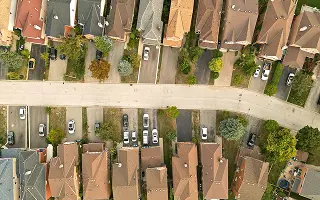
Owning a home comes with a lot of paperwork, and one term that confuses many first-time buyers is “easement”. It commonly appears in title reports and property listings and refers to legal rights tied to the property itself (not to the current owner) that grant third-party access to part of the property for a specific purpose. Easements are extremely common, and most are completely routine, but they can affect your long-term plans for the property, which makes it important to understand them before closing.
Table of Contents
- Types of Easements in Real Estate: What They Mean in a Title Report
- What Is an Easement in Real Estate?
- Why Easements Appear in Title Reports
- Common Types of Easements Found in Title Reports
- How Easements Can Affect Property Ownership
- Can Easements Be Removed or Changed?
- How to Find Easements in a Title Report
- Why Reviewing Easements Before Buying Matters
- Frequently Asked Questions About Easements in Title Reports
What Is an Easement in Real Estate?

In real estate, an easement is a legal right that allows a person or entity other than the property owner to use a specific portion of the land for a defined purpose. The property owner still owns the land, but their rights are limited in the area covered by the easement, and they cannot block or interfere with the easement holder's use of the land.
For example, a utility company may have the right to access the back corner of a yard to maintain underground power lines. The homeowner still owns that section of land, but they may not be allowed to build a shed or permanent structure there.
Easements are very common in both residential and commercial real estate. Some are formally created through written agreements, while others can arise through long-term use or court action. In many cases, homeowners live with easements for years without ever noticing them because they rarely interfere with daily life. Even so, they are very important because they stay attached to the property; when ownership changes, the easement automatically transfers to the new owner along with the rest of the property rights.
Why Easements Appear in Title Reports
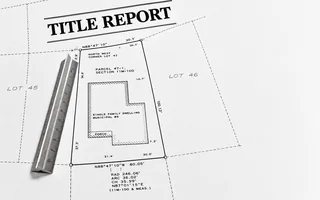
Easements appear in title reports because they are legally binding obligations that transfer with the property. This means that they are passed on from one owner to the next; a new owner cannot simply revoke an easement because they dislike the arrangement. Title reports outline these types of issues so that buyers know what they are taking on before closing.
When a title company researches a property's history, it looks for any recorded documents that impact ownership rights. Easements are typically recorded with the county or municipal recorder's office after being created and become a permanent part of the property's public record, meaning that they will be flagged by a title search. Because these easements affect how a property can be used, title companies include them in their reports so future buyers can be made fully aware of the obligations they will inherit after purchasing the property.
Common Types of Easements Found in Title Reports
There are several types of easements in real estate, and each one affects property use differently.
Utility Easements
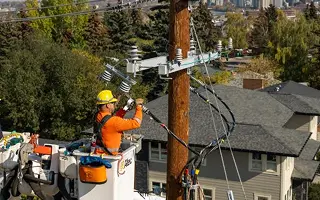
Utility easements allow utility providers, such as electric, gas, water, sewer, telephone, or cable companies, to install and maintain equipment on private property. They are among the most common types of easements, especially on residential properties. Utility easements are usually narrow strips along property edges (front, side, or rear lot lines) and rarely interfere with the main living area of the property but may still affect where you can build.
Real-world Example: A power line runs along the back of a yard. The utility company has a recorded easement allowing it to access that area to trim trees, repair poles, or replace lines. Because of this, the homeowner cannot build a garage or deck in that strip of land because it would block the company's access.
Right-of-Way Easements

A right-of-way easement gives someone the legal right to travel across part of another person's property to reach a destination. They are common in situations where one property is landlocked or where shared access is needed. Right-of-way easements typically involve shared driveways and private roads, beach or lake access paths, walking trails, public sidewalks, and agricultural access roads. These easements can significantly affect privacy and property use because the owner must allow the authorized party to continue using the area.
Real-world Example: A shared driveway sits between two homes. Both homeowners have a right-of-way easement to use the driveway to reach their garages. Neither owner can block the driveway or prevent the other from using it.
Private Easements (Easement Appurtenant)
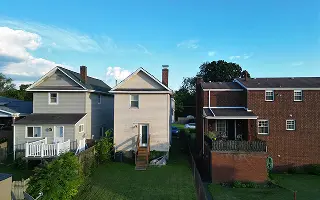
An easement appurtenant is a private easement between two neighboring properties. However, unlike right-of-way easements, one property benefits (known as the “dominant estate”), while the other property (the “servient estate”) carries the burden of the easement. Easements appurtenant are typically permanent unless terminated by agreement or court order and transfer automatically with both properties when ownership changes.
Real-world Example: A house sits behind another parcel and is landlocked with no direct access to a public road. The owner has a legal right to cross a neighbor's driveway to reach the road. That right is an easement appurtenant. When either property is sold, the easement remains in place.
Easement in Gross
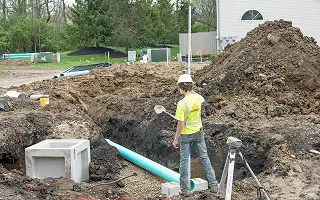
An easement in gross is attached to a specific person or entity rather than to a neighboring property. Utility easements are the most common examples of easements in gross: the company's right to access power lines or underground pipes belongs to the company itself, not to a neighboring homeowner. Other examples include railroad company access rights, temporary construction access agreements, and negotiated hiking or fishing agreements.
An easement in gross may either be personal or commercial. Personal easements in gross (like giving a friend permission to fish in a pond) do not usually transfer when the property is sold. However, commercial easements in gross (like those held by utility companies) are typically permanent and transfer between organizations over time because they serve a specific public or business purpose.
Real-world Example: A telecommunications company has an easement to run fiber optic lines across a property. That easement belongs to the company, not to a neighbor. If the company is sold, the easement rights typically transfer to the new company automatically so they can continue to maintain the lines.
Prescriptive Easements

A prescriptive easement (sometimes called an easement by prescription) is created when someone uses another person's land openly and continuously for a long period without the owner's permission. The required timeframe varies by state but generally ranges from 5 to 20 years. The concept is similar to adverse possession laws: if the use of the property continues long enough without objection from the owner, the user may gain a legal right to continue that use indefinitely.
3 are typically more difficult to identify than other types of easements because they are not usually formally recorded in public documents. In most cases, they only surface after a dispute arises between neighbors. This is a key reason why title searches, surveys, physical inspections, and title insurance are all essential for a secure real estate transaction.
Real-world Example: A neighbor has been using a footpath across the corner of a property for 20 years without ever asking for or receiving permission. If the property owner never objected or blocked access during that time, the neighbor could potentially claim a prescriptive easement to keep using that path, even after the property is sold to a new owner.
Conservation Easements
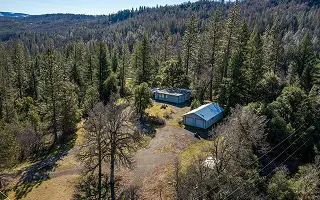
Conservation easements are voluntary legal agreements that restrict land use to preserve environmental, scenic, agricultural, or historic value. They are generally permanent, meaning that future buyers inherit those restrictions along with the title.
These easements are typically held by government agencies, land trusts, and conservation organizations and are most common on large rural properties, waterfront land, or historically significant homes. It is important to note that a conservation easement can sometimes reduce the property's market value because it limits future development, but it often comes with tax advantages for the original owner who created it.
Real-world Example: A property owner donates a conservation easement on a wooded portion of their land to a local land trust. The easement permanently prohibits development on that portion to preserve wildlife habitat or open space. This means that even if the land is sold, the new owner cannot build houses, paved roads, or clear-cut the trees in that protected area. While the original owner likely received a tax deduction for this donation, the restriction remains a permanent part of the property's public record and transfers to all future owners.
How Easements Can Affect Property Ownership
Easements are not just abstract legal concepts; they directly affect how an owner uses, develops, and enjoys their property.
- Building Restrictions: Many easements strictly limit where structures can be built. Generally, you cannot build fences, sheds, or home additions within the area covered by the easement, especially if it's a utility or right-of-way easement. This can be a major hurdle on smaller lots where buildable space is already limited.
- Shared Access Rights: Some easements require the property owner to allow others onto their land regularly. For a right-of-way easement, this might mean neighbors driving across your driveway to reach their own home. For a utility easement, it can mean workers accessing your property for inspections or repairs without notice. While these access rights are usually limited to specific purposes, they can still affect your privacy and convenience.
- Impact on Property Value: Certain easements can reduce usable space or limit a property's development potential, which, in turn, may reduce its market value or desirability. While this does not happen for every easement, buyers still need to evaluate how the specific restrictions align with their future plans for the property.
- Long-term Obligations: Most easements remain attached to the property permanently. That means future owners inherit the same obligations and restrictions even if they were created decades earlier. You should never assume an easement has expired simply because ownership changed, nor can you simply ignore the easement because you weren't the one who originally agreed to it. Understanding these obligations helps you avoid surprises and disputes after closing.
Can Easements Be Removed or Changed?

Easements may sometimes be changed or removed, but it is often more complicated than most buyers expect:
- Mutual Agreement Between Parties: This is the simplest option. If both the property owner and the easement holder agree to remove or change the easement, they can sign a “release of easement” and record it with the local government to make it official.
- Legal Action: A court can sometimes terminate an easement if it can be proven that its original purpose no longer exists. For example, a railroad easement for tracks that have been removed and will never be used again may be terminated through a quiet title action. However, this option can be expensive and time-consuming, especially if the easement holder disagrees.
- Expiration and Abandonment: Some easements expire automatically after a specified period. Others may be considered abandoned if the easement holder stops using the property for an extended time and clearly demonstrates an intent to give up their rights. Note that abandonment is a high legal bar and can be difficult to prove; simply not using the easement for a few years is not usually enough to terminate it.
Getting an easement modified or terminated after closing is almost always an expensive and difficult process. For many property owners and residential buyers, the most realistic approach is to assume the easement is permanent and plan your use of the property accordingly.
How to Find Easements in a Title Report

You do not need to become a title expert to spot easements in a preliminary title report. You just need to know where to look within the report for the right information:
- Check the Exceptions or Encumbrances Section: Easements (along with other issues that affect ownership) are usually listed in the title report under sections labeled “Exceptions”, “Encumbrances”, “Restrictions”, or “Recorded Matters”. Look specifically for the word “easement” or related terms like “right-of-way”, “utility line”, or “ingress/egress”.
- Review the Legal Description Carefully: The easement's specific boundaries are often described using technical legal language that references survey lines or recorded maps. For example, the report might say “a 10-foot utility easement along the northern boundary line”. Do not skip this section just because it looks technical. If the language is unclear, ask your title officer or surveyor for an explanation.
- Examine Recorded Maps and Plat Documents: Most counties and municipalities maintain recorded subdivision maps or plats that show easement boundaries visually. These documents are usually referenced by a specific book and page number in the title report. Looking at a map can make it much easier to see if an easement affects your driveway, backyard, side yard, or other part of the property instead of having to decipher written legal descriptions.
- Use Property Record Tools: Many government offices offer online portals that provide a quick overview of recorded documents, including easements, before you even request a full title search. Private platforms that aggregate data from public sources can also be used for this purpose. These tools are helpful for researching a property and identifying potential red flags early in the buying process.
Why Reviewing Easements Before Buying Matters

Taking the time to understand any easements on a property before closing is not just a legal formality; it has real implications for how you can use the property in the future. Reviewing easements helps you make an informed decision in several ways:
- It Helps You Avoid Surprises After the Purchase: Buyers who skip reviewing easements may discover unexpected restrictions or access obligations only after moving in. For example, if you plan to install a pool and later learn that your entire backyard sits within a drainage or utility easement, those plans are essentially cancelled.
- It Helps You Understand What You're Actually Buying: Easements limit the usable area of the property or prevent certain improvements. Even though you technically own the land, you do not have unrestricted control over every portion of it. Knowing this before closing helps you decide whether the property still fits your long-term needs.
- It Gives You Negotiation Power: If an easement significantly affects the property's value or usefulness, knowing about it before closing gives you added leverage. Depending on the situation, you may request additional clarity, negotiate a lower purchase price to account for the restriction, or walk away from the transaction entirely. Once closing happens, your options become much more limited.
Frequently Asked Questions About Easements in Title Reports
Do Easements Affect Property Value?
They can, but the impact varies. A standard utility easement along a property line usually has minimal effect on value. However, a large easement that significantly reduces usable land or prevents desired improvements can lower what a buyer is willing to pay.
Can You Build on an Easement?
Generally, no. Most easements prohibit permanent structures that would interfere with the easement holder's rights. However, rules vary depending on the type of easement and local regulations. You should always check the specific language of the easement and consult with your local building department before planning any construction.
Are Easements Permanent?
Most recorded easements are permanent and transfer automatically with the property when ownership changes. However, some easements are temporary and expire after a specified period, while others may be terminated through agreement, abandonment, or court action.
Can a Neighbor Use My Property Because of an Easement?
Yes, if the easement grants them that right. For example, a shared driveway easement may legally allow a neighbor to cross part of the property to reach their own home or garage. The easement document will specify what the neighbor is permitted to do and under what conditions.
How Do I Know If My Property Has an Easement?
The most reliable way is to check the preliminary title report when you are buying a home. If you already own the property, you can search recorded documents at your local county or municipal recorder's office or review your title insurance policy, which lists easements that were recorded at the time you closed.
Can Easements Be Removed?
Sometimes, but it is rarely a simple process. The easiest way is through a mutual written agreement between you and the easement holder. Otherwise, you may need to go to court to prove that the easement is no longer needed or has been abandoned, which can be expensive and has no guarantee of success.
Table of Contents
- Types of Easements in Real Estate: What They Mean in a Title Report
- What Is an Easement in Real Estate?
- Why Easements Appear in Title Reports
- Common Types of Easements Found in Title Reports
- How Easements Can Affect Property Ownership
- Can Easements Be Removed or Changed?
- How to Find Easements in a Title Report
- Why Reviewing Easements Before Buying Matters
- Frequently Asked Questions About Easements in Title Reports