What Is a Clean Title in Property and Why Does It Matter

If you are preparing to buy or sell a home, you have most likely heard the term “clean title” repeated a number of times and probably wondered what all the fuss is about. Well, a clean title simply means that the property has clear ownership and no legal or financial problems attached to it. This is very important to buyers, sellers, lenders, and everyone else involved in real estate transactions; unresolved problems can delay or completely derail a property's sale. A thorough title search is the primary way to confirm whether a title is clean and is a crucial step before closing. If everything checks out, the transaction can move forward with fewer potential risks.
Table of Contents
- What Is a Clean Title in Property and Why Does It Matter
- What Is a Clean Title in Real Estate?
- What Can Make a Title Not Clean?
- Why a Clean Title Matters When Buying or Selling Property
- How to Check If a Property Has a Clean Title
- What's the Difference Between a Clean Title, Clear Title, and Marketable Title?
- What Happens If a Title Is Not Clean?
- How to Fix Title Issues and Get a Clean Title
- Frequently Asked Questions About a Clean Title in Property
What Is a Clean Title in Real Estate?

In real estate, a clean title (sometimes referred to as a clear title or marketable title) means a property's ownership history is free of any claims, disputes, debts, or legal complications. When a property's title is clean, the seller can legally transfer full ownership to the buyer, allowing buyers to avoid worrying about hidden ownership claims.
Clean titles are a non-negotiable requirement for most real estate transactions. Lenders will typically not approve a mortgage application on a property with unresolved title issues or refuse to refinance until those issues have been fully addressed. Even cash buyers usually insist on a clear title to protect their investment; no one wants to purchase a home only to find out later that someone else has a legal claim to it.
What Can Make a Title Not Clean?
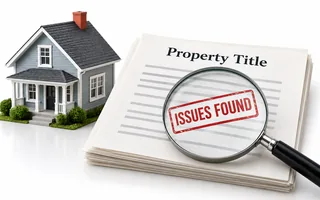
Several issues can cloud a title, turning what should ordinarily be a simple transaction into a complicated mess. Here are the most common examples:
Liens
A lien is a legal claim against a property because of unpaid debt. It is one of the most common causes of unclear titles and typically arises from unpaid property taxes, outstanding mortgage balances, contractor (mechanic's) liens, or court judgments.
Real-world scenario: A homeowner hires a contractor for a kitchen renovation but fails to pay the final invoice, so the contractor files a mechanic's lien against the property. Because the lien is attached to the home and not the owner, the debt must be cleared before any buyer can take a clean title.
Ownership Disputes/Unknown Heirs
Titles can also be clouded by disputes arising from multiple people claiming ownership of the same property or long-lost relatives claiming they were never properly compensated for their share of an inherited property.
Real-world scenario: A property was inherited by three siblings, but only two signed the deed when it was sold. Years later, the third sibling could surface to claim their 33% ownership share, creating uncertainty and a potential legal nightmare for the current homeowner.
Public Records Errors
County recorders are human, and humans make mistakes. Recording errors, like a misspelled name, incorrect property boundary or legal description, or misfiled document, can create confusion about who actually owns what and often take weeks or months to correct.
Real-world scenario: If a previous owner's name was recorded incorrectly as “John Smith” instead of “John Smyth” in a deed, it could make it difficult to verify the chain of ownership, delaying the property sale until the error is corrected.
Easement and Deed Restrictions
These grant other people the legal right to use part of your property or limit how it can be used. Common examples include utility easements, shared driveways, and HOA restrictions. While they are not always deal-breakers, they can affect whether a title is considered fully clean.
Real-world scenario: A homeowner plans to build a backyard pool but discovers a buried utility easement. The utility company has the right to prevent the construction to ensure they can access their lines for future maintenance.
Pending Legal Action (Lis Pendens)
A lis pendens is a formal notice that a lawsuit has been filed concerning a property. This pending litigation can cloud the property's title and put transactions on hold until a judgment is issued.
Real-world scenario: During a messy divorce, one spouse tries to sell the house without the other's consent, causing them to file a lis pendens. This “notice of pending action” alerts any potential buyer or lender that the ownership is currently being contested in court, effectively freezing the sale.
Fraud or Forged Documents
A forged signature on an old deed, a fraudulent mortgage release, or a fake lien filed by a scammer can all cloud a title. While these are less common causes of unclear titles, they can be difficult to spot and even harder to resolve without legal help.
Real-world scenario: A scammer forges a homeowner's signature on a quitclaim deed, transferring the house to a shell company. They then take out a large loan against the property and disappear. The actual owner only discovers the fraud when they try to sell the home and find a massive, unauthorized mortgage attached to their title.
Why a Clean Title Matters When Buying or Selling Property

A clean title is not just a nice “to-have”; it is an essential requirement for smooth real estate transactions. Without it, both buyers and sellers risk delays, complications, and even cancellations. Here's why having a clear title matters:
- Protection from Ownership Disputes: When buying a home, a clean title ensures that you receive full, undisputed ownership rights. Imagine moving into your new home, only to receive a court notice six months later from someone claiming they actually own the property, or you discover a lien after closing. A clean title eliminates these clouds, helping you avoid surprises.
- Financing Requirements: Most lenders require a clean title before approving a mortgage. Because the property serves as collateral, the lender needs assurance that their legal position is secure and no one else has a superior claim to the home. If ownership is unclear, it increases their risk. So, no clean title, no mortgage approval.
- Preventing Closing Delays: Title issues discovered late in the transaction can throw the entire deal into chaos. Delays can cause buyers to lose their interest rate lock or sellers to miss out on their next purchase. A clean title prevents these last-minute disasters and keeps real estate transactions on track, ensuring that moving timelines, financing deadlines, and overall transaction budgets are met.
- Long-Term Security: A clean title protects your equity for as long as you own the property. Even if a title issue does not surface until years after closing, it can still create legal complications that threaten your ability to sell or refinance. A clean title ensures that once you buy the home, it is truly yours and free from someone else's future claim.
How to Check If a Property Has a Clean Title

If you are wondering how to check for clear title on property, here are the most effective ways to do so:
Conduct a Title Search
This is the gold standard for checking titles and verifying ownership. A title search reviews the chain of title (the history of transfers from one owner to the next) as well as any recorded documents tied to the property. This includes claims, liens, easements, judgments, and more. Title searches are typically conducted by title companies, real estate attorneys, and property record services and often go back as far as 30 to 60 years to identify and flag any issues that may affect ownership.
Check Public Records
Most counties (and municipalities) maintain online databases where you can search for property records, such as deeds, liens, and other filings that affect ownership and use. Searches can typically be done by address or parcel number (additional options may be available, depending on the jurisdiction). For records not available online, you may contact the county recorder, register of deeds, clerk of court, or other relevant offices. Keep in mind that, while checking public records is usually a good starting point, navigating multiple government offices can be complex, and there is also the risk of missing hidden issues.
Work With a Title Company
Title companies conduct thorough searches, review records for potential issues, and provide detailed reports outlining any concerns that must be addressed. If you want professional certainty without the hassle of checking public records yourself, working with a title company is your best option. Note that fees will apply (typically about $200 to $400), but the accuracy and peace of mind provided are often worth the investment.
Utilize Property Records Tools
Digital tools (both government-provided portals and private data-aggregating platforms) can provide a quick overview of a property's recorded filings and ownership history. However, while these tools are helpful for initial research early in the transaction process, they should not replace a professional title search before closing.
What's the Difference Between a Clean Title, Clear Title, and Marketable Title?

The terms “clean title”, “clear title”, and “marketable title” are commonly used in real estate contracts, loan documents, and conversations with real estate agents. While they all generally refer to properties that can be transferred from seller to buyer without legal complications, there are subtle differences that you should be aware of:
- Clean Title/Clear Title: These terms are used to describe a property with no liens, disputes, easements, or other encumbrances. They are often interchangeably used in everyday real estate conversations and effectively mean the same thing: a “green light” for the transaction.
- Marketable Title: This is a specific legal standard used in most real estate contracts and refers to a property that is good enough to be sold without fear of the buyer losing ownership to a prior claim. For a title to be deemed “marketable”, it must be free of any reasonable doubt about ownership and must be acceptable to a prudent, educated buyer. Essentially, a title can have a relatively minor issue (like a harmless, ancient easement) and still be considered marketable, even if it isn't technically 100% clear.
For buyers, a clear/clean title is the goal for real estate transactions. However, for sellers, a marketable title is the legal requirement for most purchase agreements. If a title is marketable, it means the ownership is secure enough that a court would not allow a buyer to back out of the deal based on title concerns.
What Happens If a Title Is Not Clean?
An unclear title can affect your real estate transaction in several ways, including:
- Closing Delays or Cancellations: If a lien, recording error, or ownership dispute is discovered, closing is usually postponed, often by weeks or months, while everyone involved works to fix the problem. This usually requires taking a specific action, like writing a check to satisfy a lien, filing a correction with the county recorder, or obtaining a formal release from a creditor. Closing cannot happen until these actions are complete, and the transaction may even be canceled entirely if the issue is not resolved on time.
- Financing Challenges: Lenders generally view unresolved title claims as a major risk to their collateral, and most of them will refuse to approve a mortgage or refinancing until the title is cleared of any significant clouds.
- Costly Legal Disputes: If a previous owner, heir, or creditor surfaces to claim interest in the property after you have closed, you can end up in court. These types of disputes are notoriously expensive, time-consuming, and stressful.
- Quiet Title Actions: In complex cases where ownership is in doubt, you may be forced to file a quiet title action. This is a specific lawsuit designed to “quiet” challenges to title and determine who actually owns the property. While a quiet title action is effective for establishing you as the property's sole, legal owner, it typically takes several months and can cost thousands of dollars in legal fees.
How to Fix Title Issues and Get a Clean Title
The good news is that most title issues can be fixed by taking the right steps:
- Paying Off Outstanding Liens or Debts: This is the most common fix. The current property owner (seller) pays what is owed, whether to the IRS, a contractor, HOA, or a judgment creditor, obtains a formal satisfaction of lien or release of lien, and files it with the county recorder. Once this is done, the title becomes clean.
- Correcting Public Record Errors: Recording errors, such as misplaced names or incorrect legal descriptions, can usually be fixed by filing a corrective deed or affidavit of correction with the county recorder's office. This is usually a straightforward process that the office can guide you through, but note that it may sometimes take a few weeks.
- Resolving Ownership Disputes: If an unknown heir surfaces or a previous owner challenges the sale, a settlement may need to be negotiated. Sometimes, providing documentation, like a death certificate or probate records, is enough. Other times, legal action may be required.
- Working With Professionals: For issues beyond a simple lien payoff or record correction, you may need to hire a professional. Title companies and real estate attorneys handle these types of complex matters regularly and typically know exactly what steps to take to solve the problem.
Frequently Asked Questions About a Clean Title in Property
What Is the Difference Between a Clean Title and a Clear Title?
A clean title and a clear title are generally the same thing and refer to a property without liens, disputes, claims, or other legal complications that could affect ownership. Both terms are used interchangeably in real estate transactions.
Can You Buy a Property Without a Clean Title?
Technically, yes. However, it is almost never a good idea to do so. If you buy a property with a clouded title, you inherit all its problems, unpaid liens, ownership disputes, and legal claims from third parties. Most lenders also won't finance the purchase; even as a cash buyer, you should avoid unclear titles as it can impact your ability to sell or refinance in the future.
How Do You Know If a Title Is Clean?
A professional title search is the most reliable way to know if a title is clean.
Can a Title Issue Be Fixed Before Closing?
Yes, outstanding liens can be paid, errors corrected, and disputes resolved before the transaction is finalized. The key is discovering the issue early, as the resolution timeline generally depends on the complexity of the issue.
Does Title Insurance Guarantee a Clean Title?
No, title insurance does not guarantee a clean title. However, it protects you financially if a title issue arises after closing. You still need to conduct a title search (before closing) to identify known problems.
How Long Does It Take to Clear a Title?
It depends on the issue. Relatively simple problems like paying off a lien may be resolved within days, while more complex matters, like resolving ownership disputes and quiet title actions, can take months or longer.
Table of Contents
- What Is a Clean Title in Property and Why Does It Matter
- What Is a Clean Title in Real Estate?
- What Can Make a Title Not Clean?
- Why a Clean Title Matters When Buying or Selling Property
- How to Check If a Property Has a Clean Title
- What's the Difference Between a Clean Title, Clear Title, and Marketable Title?
- What Happens If a Title Is Not Clean?
- How to Fix Title Issues and Get a Clean Title
- Frequently Asked Questions About a Clean Title in Property