What Is Title Fraud and How Does It Happen?

Title fraud is one of the few ways someone can illegally interfere with property ownership without the real owner immediately realizing it. Imagine receiving a letter from a bank demanding payment on a home equity loan you never took out, or discovering that someone else has “sold” your property while you were living in it. Scenarios like these are a growing concern for homeowners, especially because they involve fraudulent filings recorded in public records that can appear legitimate at first glance. However, by understanding how title fraud works, you can better protect yourself and catch the problem early.
Table of Contents
- What Is Title Fraud and How Does It Happen?
- What Is Title Fraud in Real Estate?
- How Title Fraud Happens
- Common Types of Title Fraud
- Warning Signs of Title Fraud
- How to Protect Yourself From Title Fraud
- What to Do If You Are a Victim of Title Fraud
- How Title Searches and Title Insurance Help Prevent Fraud
- Frequently Asked Questions About Title Fraud
What Is Title Fraud in Real Estate?

Title fraud is the illegal transfer or manipulation of property ownership through forged, falsified, or fraudulently obtained documents. The fraudster typically creates a fake deed that “transfers” ownership to themselves (or an accomplice) and records it with the local recorder's office, making the transaction appear legitimate in public records. This crime is closely tied to identity theft, as fraudsters often use stolen personal information (names, addresses, dates of birth, or signatures) to impersonate the true owner and make the forgery believable.
In many cases, targeted homeowners do not realize anything is wrong until they try to sell or refinance the property, receive notices about a loan they never took out, or discover unfamiliar documents recorded against their title. By that point, the fraudster may already have borrowed money against the property, collected rent from tenants, or even sold the home to an unsuspecting buyer, leaving the rightful owner with a complex and usually expensive legal mess to resolve.
How Title Fraud Happens
Title fraud is rarely random. It usually follows a deliberate, step-by-step process that takes advantage of gaps in public records systems. Let's break it down.
Step 1: Identity Theft or Data Access

Most title fraud schemes begin with obtaining personal information about the property owner. This may be their name, mailing address, date of birth, phone number, Social Security number, or other identifying details. Fraudsters typically gather this information through data breaches, phishing, stolen mail, fake online forms or applications, and even social media profiles and public property records.
Because property ownership information is public, fraudsters can easily identify homes that seem vulnerable, particularly properties that are mortgage-free, vacant, inherited, or owned by elderly individuals. Once they have collected enough data to impersonate the owner, they move on to the next phase of the scheme.
Step 2: Forging Documents
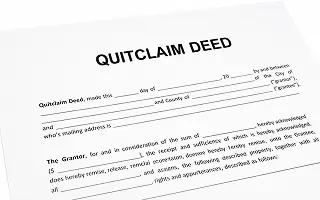
Next, the fraudsters prepare forged legal documents. The most common is a quitclaim deed or a warranty deed that appears to transfer ownership from the real owner to the fraudster or an accomplice. These documents are designed to look legitimate and often contain fake signatures, false witness statements, counterfeit notary seals, and fabricated supporting paperwork.
In many cases, the forgeries are sophisticated enough to avoid immediate suspicion and pass an initial administrative review. This step is the foundation of most title fraud schemes because it creates the appearance of lawful ownership in public records.
Step 3: Filing Fraudulent Transfers

After the forged documents have been prepared, they are filed with the county or municipal recorder's office and entered into the official public record. Many homeowners wrongly assume that these offices verify ownership before accepting documents. In reality, their role is primarily administrative: the recorder's office simply records documents that appear to be properly completed without investigating the truthfulness of the transfer. Fraudsters know and take full advantage of this.
Once the fraudulent deed is recorded, it becomes part of the property's public ownership history and appears in the chain of title as a legitimate transfer, meaning that the fraudster is now shown as the legal owner in public records.
Step 4: Exploiting the Property

After recording the fraudulent transfer, the fraudsters typically move quickly to profit from the property before the real owner notices. Some common ways they try to exploit their fake “ownership” include:
- Taking out a mortgage or home equity loan against the property and disappearing with the cash.
- Selling the property to an unsuspecting buyer.
- Listing the property for rent and collecting deposits or monthly payments.
- Using the property as collateral for other high-value transactions.
By the time the real owner discovers the fraud, the damage is often already done. In many cases, untangling the legal and financial fallout can take months or even years.
Common Types of Title Fraud
Title fraud can take several forms depending on how the fraudster intends to profit from the property, with each type targeting a different vulnerability in the property ownership system.
Deed Fraud
This is the most direct and common form of title fraud. Deed fraud involves a fraudster creating or altering a deed to transfer ownership of a property they do not own. The forged deed is then recorded with the local government, making it look like the ownership legally changed hands. Because public records now reflect the fraudulent transfer, future transactions involving the property can become extremely complicated.
Deed fraud is the foundation of most other types of title fraud and is particularly dangerous because the forged deed is usually not discovered until much later.
Practical Example: A fraudster forges a quitclaim deed transferring ownership of a vacant home from an out-of-state owner to themselves. They record the deed, then list the property for sale and collect a cash deposit from an unsuspecting buyer.
Mortgage Fraud
Mortgage fraud often builds directly on deed fraud. Once the fraudster falsely appears as the property owner in public records, they usually apply for a mortgage or home equity loan against it. Because the lender believes the ownership transfer is legitimate, they issue the loan, with the property as collateral. The fraudster then disappears with the funds, leaving the real owner to deal with the fallout and the lender holding a bad loan. In most cases, the real owner does not even learn about the fraud until foreclosure notices arrive or the lender contacts them regarding missed payments.
Practical Example: After recording a forged deed, a fraudster applies for a $150,000 home equity line of credit. The lender approves based on the public records showing the fraudster as the owner of the property. The fraudster then withdraws the full amount and disappears, while the real owner later discovers a lien on their property.
Rental Scams
Some fraudsters exploit properties through fake rental listings rather than attempting a full ownership transfer. This scam typically involves copying photos from real property listings and advertising the home for rent online. The fraudster collects application fees, deposits, or rent payments from multiple prospective tenants before disappearing. In some cases, they may even use forged ownership documents to convince tenants that they have legal authority to rent out the property.
Practical Example: A fraudster finds a house listed for sale online. They copy the photos and description, then list it for rent on a classifieds site at a below-market price. Multiple applicants send security deposits and their first month's rent. The fraudster cashes the checks and vanishes, leaving the applicants to show up at a property that was never actually for rent.
Impersonation of Owners
In impersonation fraud, the scammer physically poses as the legitimate property owner during a sale or refinance to execute the transaction. They often pull this off by using high-quality fake or stolen identification documents to deceive notaries and closing agents. Impersonation fraud heavily targets homes that are fully paid off because there is no active mortgage lender monitoring the property. Vacant properties, vacation homes, and inherited properties are particularly vulnerable.
Practical Example: A fraudster uses a fake driver's license and forged power of attorney documents to impersonate an elderly homeowner. They “sell” the property to an accomplice at a fake closing. The accomplice records the deed and quickly takes out a cash-out mortgage on the property, leaving the true owner with a serious legal and financial mess.
Warning Signs of Title Fraud
Catching title fraud early is critical. Here are some key red flags to watch out for:
- Unexpected mail from lenders, attorneys, or government agencies about your property.
- Notices about loans or mortgages that you never applied for.
- Unknown liens appearing in your public property records.
- Unauthorized changes to your contact or mailing information in county or municipal records.
- Missing property tax statements, which may signal that your mailing address has been changed.
- Collection notices tied to unfamiliar debts.
- Unexpected inspection visits or inquiries from strangers about your property.
It is important to investigate any unfamiliar activity involving your property as soon as you notice it. Early detection is an effective title fraud protection tool; the sooner you act, the easier it is to stop the fraudster and limit long-term damage.
How to Protect Yourself From Title Fraud
Even though you cannot completely eliminate the risk of title fraud, you can take certain practical steps to reduce your chances of falling victim, such as:
- Monitor Your Property Records: Periodically reviewing your property's recorded documents through your local recorder's office is one of the best ways to catch title fraud early. Many counties and municipalities now provide online access to deeds, liens, mortgages, and ownership records. Checking your recorder's website or utilizing online property records tools at least once or twice a year can help you spot suspicious filings quickly.
- Purchase Owner's Title Insurance: An owner's title insurance policy provides financial protection if covered title problems, including forgery and fraud, are discovered after closing. While the insurance cannot physically stop the fraud from happening, it is invaluable because it helps cover the legal costs and losses associated with resolving the problem.
- Protect Your Personal Information: Because fraudsters rely heavily on stolen personal information, protecting sensitive data is critical. Be cautious about what identifying documents you share, especially in real estate contexts. Avoid sharing personal documents unnecessarily, watch for phishing emails and scams, monitor your financial accounts and credit reports, and use secure passwords with two-factor authentication. Taking these precautions makes it much harder for criminals to successfully impersonate you.
- Utilize Property Monitoring Services: Many county recorders and private platforms offer property monitoring or automated title alert services that notify you when documents are recorded against your property. This serves as an early warning system that allows you to catch fraudulent filings quickly. You should strongly consider monitoring services if you own vacant land, a fully paid-off home, or an absentee-owned rental property, as these are primary targets for fraudsters because no active lender is monitoring the title.
What to Do If You Are a Victim of Title Fraud

While discovering or suspecting title fraud involving your property can feel overwhelming, you need to act quickly. The sooner you take action, the better your chances of minimizing damage. Here's what you should do in these situations:
- Contact Law Enforcement: File a police report immediately. Title fraud is a criminal offense, and an official report creates documentation that can support your case during later disputes or legal proceedings.
- Notify Your Local Recorder's Office: Inform them that fraudulent documents may have been filed against your property, and find out what steps they require to dispute any flagged filings. Most offices will typically place an alert or note in the record while the issue is investigated.
- Work With a Real Estate Attorney: Legal action is usually required to reverse fraudulent transfers and fix the chain of title. Do not try to navigate this alone. An attorney can help you file court actions, challenge fraudulent documents, communicate with lenders or title companies, resolve improper liens or loans, restore ownership records, and offer invaluable guidance with the process.
- Contact Your Title Company: If you have owner's title insurance, contact your insurer immediately. They will investigate the issue and can help cover legal costs and losses associated with the fraud.
- Contact Any Lenders Involved: If it turns out that the fraudster took out a loan against your property, notify the lender immediately that the loan was fraudulently obtained. Provide them with the police report and any supporting documentation.
How Title Searches and Title Insurance Help Prevent Fraud

A title search and title insurance policy work hand in hand to reduce the risks associated with fraud, both before and after you close on a property. The title search is conducted before closing. It involves a trained title examiner reviewing the property's full recorded history to identify suspicious or inconsistent filings that may indicate fraud. This is your best defense against inheriting a fraudulent deed or lien.
However, even the most thorough search cannot catch every single problem; some forged documents look perfectly legitimate and remain hidden until long after the transaction is complete. That is where title insurance (specifically the owner's policy) becomes essential. It protects you against covered title problems that were not discovered during the original search, including forged deeds and fraudulent transfers, and will help cover the legal costs and financial losses required to fix any claims that arise.
Combining title insurance with ongoing property record monitoring gives you added title fraud protection by allowing you to catch and respond to any new, unauthorized filings before significant damage can be done. Together, title searches, title insurance, and continuous property monitoring create a layered defense against both known and unknown ownership risks.
Frequently Asked Questions About Title Fraud
Is Title Fraud Common?
Title fraud is less common than other forms of identity theft and financial fraud, but reported cases have been steadily rising. Vacant properties, paid-off homes, and properties owned by elderly or deceased individuals are the most frequently targeted.
Can Someone Really Steal Your House Title?
Legally, no. A fraudster cannot become the rightful owner of your property simply by filing fake documents. However, they can cloud the title and create serious legal and financial complications that threaten your equity and ownership rights until resolved.
Does Title Insurance Protect Against Fraud?
Yes. Title insurance generally protects against fraud-related issues, including forged deeds or undiscovered ownership defects that occurred before you closed on the property. Note that coverage details depend on your specific policy and circumstances.
How Do I Check If My Property Title Is Safe?
You can hire a title company to perform a professional title search, or you can review public property records yourself through your local recorder's office. Many counties and municipalities offer online databases that you can use to look up property records and check for filings you do not recognize.
Can Title Fraud Be Reversed?
Yes, title fraud can be corrected through legal action. However, the process can be time-consuming, expensive, and stressful, and typically requires coordinating with attorneys, title companies, lenders, and law enforcement.
What Is the Difference Between Title Fraud and Deed Fraud?
Deed fraud is a specific type of title fraud that involves forging or altering a deed to falsify a transfer of ownership. Title fraud is the broader, umbrella category that includes deed fraud, mortgage fraud, owner impersonation schemes, rental scams, and other fraudulent activities tied to property ownership.
Table of Contents
- What Is Title Fraud and How Does It Happen?
- What Is Title Fraud in Real Estate?
- How Title Fraud Happens
- Common Types of Title Fraud
- Warning Signs of Title Fraud
- How to Protect Yourself From Title Fraud
- What to Do If You Are a Victim of Title Fraud
- How Title Searches and Title Insurance Help Prevent Fraud
- Frequently Asked Questions About Title Fraud