Title Insurance: What It Covers and Do You Need It?
If you're looking to buy a home, you obviously want to make sure that the property truly belongs to you. Title insurance provides that assurance by protecting you against hidden ownership issues that could surface after you have already closed on the property. Think of it as a safety net for your ownership rights. But is title insurance really necessary? While it might seem like just another cost, it is actually an essential part of safe real estate transactions.
Table of Contents
- Title Insurance: What It Covers and Do You Need It?
- What Is Title Insurance in Real Estate?
- What Does Title Insurance Cover?
- What Title Insurance Does NOT Cover?
- Types of Title Insurance Policies
- How Much Does Title Insurance Cost?
- Do You Really Need Title Insurance?
- Title Insurance vs. Title Search: What's the Difference?
- When You Might Need Title Insurance
- Frequently Asked Questions About Title Insurance
What Is Title Insurance in Real Estate?

In real estate, “title” refers to your legal right to own and use a property. When you buy a home, the seller transfers their title to you. Title insurance is a specialized policy that protects your ownership rights against issues that happened before you bought the property. This is a key distinction: unlike other types of insurance that cover future events, title insurance focuses entirely on issues that already existed before you closed on the property.
In addition, title insurance requires only a one-time premium paid at closing. Once you purchase the policy, you are protected for as long as you (or your heirs) own the property, with no monthly or annual payments needed.
What Does Title Insurance Cover?
Title insurance protects against a wide range of hidden problems and potential ownership risks. These issues are not always obvious during the purchase process and may even be missed during a professional title search. Common examples include:
- Unpaid Liens or Debts: If the previous owner left unpaid taxes, contractor bills, or HOA fees, those debts can attach to the property, and you could become legally responsible for them. Title insurance covers those costs so that you are not forced to pay someone else's debt.
- Ownership Disputes or Unknown Heirs: In some cases, long-lost heirs, family members, or co-owners may surface to claim ownership of the property after you buy it. This usually happens if the property was transferred through inheritance or estate sales. Title insurance covers your legal defense and any financial loss if an ownership challenge occurs.
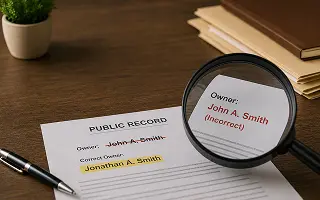
- Public Records Errors: Mistakes in deeds or land filings can create serious headaches. A simple typo in a name, incorrect legal description, or filing error could make it look like you don't actually own the property. Title insurance helps cover the cost to correct these mistakes.
- Fraud or Forged Documents: Real estate fraud is an unfortunate reality. If a previous owner forged a signature on an old deed or used fake identification to sell the property to an unsuspecting buyer, your ownership could be questioned years later. Title insurance protects you if such fraud comes to light after you've already closed.
- Boundary or Property Line Issues: Disputes over where your property begins and ends can arise when old records conflict. For example, a neighbor's fence might sit on your land, or an old survey might show different property lines than what you were told at closing. Title insurance can help resolve these disputes and cover financial losses if you lose part of your property.
What Title Insurance Does NOT Cover?

While title insurance provides valuable protection for ownership rights, it does not cover everything. Knowing what is excluded helps you set realistic expectations and avoid a false sense of security:
- Future Issues After Purchase: Title insurance is retrospective. It generally does not cover issues that arise after you take ownership of the property. For example, if you fail to pay your property taxes or a contractor you hire puts a lien on your home, that's on you. The policy only protects you from problems that existed before you owned the property.
- Exceptions to Title/Disclosed Exceptions: If a title search identifies an issue, like an easement or a specific restriction, and you choose to close on the property anyway, title insurance will not cover the problem. Because you were notified before closing, you are effectively accepting the risk.
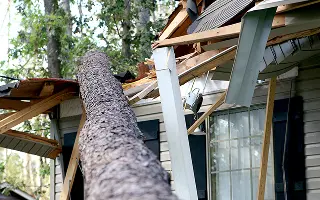
- Property Damage: Title insurance protects your legal ownership, not the physical structure. Your title policy won't pay for issues like fire, flooding, or structural damage; these are covered by homeowners' insurance.
- Zoning Violations or Environmental Problems: Issues involving zoning laws, environmental hazards, building code violations, and land-use restrictions that affect how you use the property typically fall outside the scope of title insurance. They relate to how you use the land rather than who owns it.
You should always carefully review your title commitment and policy documents before signing on the dotted line. Being clear about limitations helps you better understand where your protection begins and ends.
Types of Title Insurance Policies
When it comes to title insurance, many home buyers don't realize that there are two distinct types, each serving different purposes:
- Lender's Policy: This policy protects the mortgage lender's financial investment in your property and is required by most lenders before approving a loan. If a title problem surfaces, the policy pays the lender back for the remaining loan balance. However, it is important to note that a lender's title insurance policies do not protect your equity or down payment. Also, the cost of the lender's title insurance policy is usually paid by the buyer (a one-time payment), even though it doesn't directly protect them, and the coverage remains effective until the loan is paid off.
- Owner's Policy: This policy is designed to protect the buyer's investment. If an issue arises after closing, the owner's title insurance policy helps you cover legal costs and potential financial losses. Owner's policies are usually optional but highly recommended because they protect your ownership rights and financial stake in the property. Without it, you could be left exposed if a claim arises. Unlike a lender's policies, which decrease as you pay down your loan, an owner's policy remains valid for as long as you (or your heirs) own the property.
It is always a good idea to purchase both types of title insurance policies: a lender's policy to satisfy financing requirements and an owner's policy to ensure your own peace of mind and long-term protection.
How Much Does Title Insurance Cost?

Title insurance is a one-time fee paid at closing, not an ongoing premium like most other types of insurance coverage. This fee is generally influenced by your location, the property price, and the types of policies you select. For a typical home purchase, you can expect to pay:
- Lender's Policy: This typically ranges from 0.1% to 1% of the loan amount.
- Owner's Policy: This usually costs about 0.5% to 1% of the home's purchase price.
For example, if you purchase a $400,000 home with an $80,000 down payment and a loan amount of $320,000, you can expect to pay around $2,320 to $7,200 in combined title insurance costs. This breaks down to about $320 - $3,200 for the lender's policy and $2,000 - $4,000 for the owner's policy.
Keep in mind that title insurance is heavily regulated at the state level. Many states set mandatory minimum premiums. Some, like Florida, Texas, and New Mexico, implement fixed (promulgated) pricing, where companies must charge the same rates, while others allow companies to set their own competitive rates. Many title companies also offer a “simultaneous issue discount” when you buy both the lender's and owner's policies at the same time, which can significantly lower your total cost.
Do You Really Need Title Insurance?

As a home buyer, you've probably wondered, “Do I need title insurance?” The short answer is yes. As a matter of fact, if you have a mortgage, you will almost certainly be required to purchase a lender's policy; most lenders won't approve your loan without it. While the owner's policy is technically optional, it is also strongly recommended by real estate experts.
The most common reason people skip title insurance, particularly the owner's policy, is cost. If you are already paying thousands in closing costs, an extra $2,000 to $4,000 might seem like a lot. However, when compared to the overall investment of buying a home, this one-time fee is a relatively small price for lifelong protection against legal claims that could cost you everything.
Consider what is at stake. Let's say a hidden heir surfaces years after you buy the home and a court agrees they have a valid claim, you could lose the property entirely, along with all the equity you've built. Without an owner's title insurance policy, you would also have to pay out-of-pocket for legal fees to fight the case, which can easily cost you tens of thousands of dollars. For a few thousand dollars paid upfront at closing, you can permanently mitigate this risk. Given the peace of mind and financial protection that they offer, title insurance policies are almost always worth the cost.
Title Insurance vs. Title Search: What's the Difference?

Title insurance and title searches are both very important aspects of real estate transactions and work best as a pair. While these terms are often used interchangeably, they both serve very different functions:
- Title Search: This is the process of reviewing public records (deeds, mortgages, court judgments, tax records, etc.) to identify any known issues with the property before closing. A title company or real estate attorney performs the search, intending to uncover problems like existing liens, easements, ownership disputes, or legal claims so they can be resolved before you take ownership. Think of it as a background check on the property.
- Title Insurance: Even the most thorough title search can miss something. Public records might be incomplete, documents could be misfiled, and sophisticated fraud might be nearly impossible to detect. Title insurance protects you against those hidden or undiscovered issues that a search couldn't find.
Together, the title search and title insurance form a comprehensive safety net: the search identifies and clears known risks, while the insurance covers surprises. This dual approach is why they are both used for most real estate transactions.
When You Might Need Title Insurance
While an owner's title insurance is always worth considering, certain situations make it even more critical. These include:
- Buying an Older Property: Older properties often have long, complex ownership histories. The more times a property has changed hands, the higher the chances of hidden issues.
- Inheritance or Estate Sales: When a property is sold after a death, the ownership chain can get messy. Multiple heirs might have competing claims, or the person selling might not actually have full legal authority to transfer the title. Title insurance protects you if a relative of the deceased surfaces later with a valid claim.
- Foreclosures or Distressed Properties: Foreclosed homes often come with legal complications. The previous owner might have taken out multiple undisclosed loans, or there could be unpaid property taxes or HOA fees that survived the foreclosure process, making title insurance especially important for these situations.
- Investment or Rental Property Purchases: Investors often purchase multiple properties, increasing overall risk exposure. If you plan to rent out the home, a title dispute could interrupt your rental income or even force you to remove tenants. Title insurance protects your business cash flow as much as your ownership rights.
- Cash Purchases: If you are paying cash for a property, no lender is mandating a title policy, making it tempting to skip title insurance entirely. However, this is a high-risk move that leaves you completely exposed and fully responsible for any issues that may arise. An owner's title insurance policy is an absolute necessity for these situations.
Frequently Asked Questions About Title Insurance
Is Title Insurance Required?
A lender's title insurance policy is almost always required if you are financing a home. Owner's policies are optional, though most real estate professionals strongly recommend buying one for additional protection.
What's the Difference Between a Lender's and an Owner's Title Insurance Policy?
A lender's policy protects the lending institution's financial interest in the property (specifically the remaining loan balance), while an owner's policy protects your ownership rights, down payment, and equity.
How Long Does Title Insurance Last?
Owner's title insurance policies typically last as long as you or your heirs own the property; you pay a one-time fee at closing without additional premiums, and the coverage never expires. However, lenders' policies generally only remain in effect until the mortgage is paid in full or the home is refinanced.
Who Pays for Title Insurance?
This generally varies by location, state laws, and negotiation. In most areas, the buyer pays for the lender's policy, while the seller may cover or split the cost of the owner's policy, but this is not a universal rule. Your purchase agreement should clearly specify who covers what. If it's not mentioned, you can negotiate.
Can You Buy Title Insurance after Closing?
Yes, it is possible to buy title insurance after closing. However, this is not recommended, as it leaves you financially exposed during the uninsured period. It is generally easier and more affordable to buy it at or before closing.
Is Title Insurance Worth It?
Absolutely. The one-time cost is relatively small compared to the lifelong protection it provides against legal claims, ownership disputes, and hidden liens. Even though major title issues are not common, they can be quite costly if they occur.
Table of Contents
- Title Insurance: What It Covers and Do You Need It?
- What Is Title Insurance in Real Estate?
- What Does Title Insurance Cover?
- What Title Insurance Does NOT Cover?
- Types of Title Insurance Policies
- How Much Does Title Insurance Cost?
- Do You Really Need Title Insurance?
- Title Insurance vs. Title Search: What's the Difference?
- When You Might Need Title Insurance
- Frequently Asked Questions About Title Insurance