Title Lock: What Is It and Do You Need It?

If you recently bought a home or have spent any time watching real estate-related content online, you have probably seen ads for “title lock” or “home title protection” services. They are usually marketed as protection against title fraud, deed theft, or unauthorized ownership changes.
The promise sounds reassuring: keep your title safe from criminals and prevent your home from being stolen right out from under you. But what does a title lock actually do? Yes, these services offer monitoring and alerts, but they work differently from what many people assume. So, do you even need one? Let's find out.
Table of Contents
- Title Lock: What Is It and Do You Need It?
- What Is Title Lock?
- How Does Title Lock Work?
- What Title Lock Claims to Protect Against
- What Title Lock Does NOT Do
- Title Lock vs. Title Insurance: What's the Difference?
- Do You Really Need Title Lock?
- Are There Free or Lower-Cost Alternatives?
- Common Misconceptions About Title Lock
- Frequently Asked Questions About Title Lock
What Is Title Lock?

Title lock is a subscription-based monitoring service that tracks changes to public property records. When you buy property, your ownership information is documented in official records maintained by your county (or municipal) government. A title lock service monitors these records and alerts you if something is changed or a new document is filed. For example, if a deed transfer or lien is recorded against your property, you will receive a notification, allowing you to review the change and take action if necessary.
It is important to point out that title lock services are not insurance policies and do not prevent fraud or reimburse for financial losses. They only notify you after a change has been recorded. Think of a home security camera: it can show you that someone broke or is breaking in, but it cannot stop the break-in from happening or pay for any stolen items. Title lock works the same way.
How Does Title Lock Work?
Title lock services generally follow a straightforward process:
- Subscription: You sign up for the service. This is usually done online (through a web portal or app) and requires you to provide your legal name and property address.
- Public Property Records Monitoring: Once you've subscribed, the service begins regularly scanning public records associated with your home. This may be done daily or weekly, depending on the provider, and involves checking databases maintained by county recorders, registers of deeds, tax assessors, and other local government offices for any document that references your property ID or name.
- Detection and Notification: If the system detects a change, such as a new deed transfer, a lien filing, a mortgage document, or a court judgment, it flags the entry and sends you an alert, either via email, text message, or mobile app. These notifications typically tell you what type of document was recorded and when, and where it was filed, allowing you to review the update and determine whether it's legitimate.
This last point is crucial. You are alerted only after the change has already happened. Many people sign up for title lock believing it acts as a digital shield or firewall. In reality, it does not block, stop, or prevent any filing. It only serves as an early warning system, notifying you that a change has occurred so you can respond quickly if something appears suspicious and take necessary action to dispute or reverse any fraudulent filings.
What Title Lock Claims to Protect Against
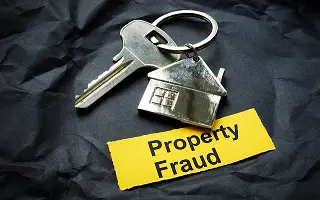
Title lock services often highlight several potential risks in their marketing. These are all genuine concerns, though the service itself is limited in how it can address them:
- Title or Deed Fraud: This occurs when someone transfers ownership of your property to themselves or an accomplice without your knowledge. Scammers often forge signatures on quitclaim deeds, file them with the county recorder, and then try to sell or borrow against the home. A title lock will usually notify you once that deed is recorded.
- Property-linked Identity Theft: In some cases, a criminal may use your stolen personal information to take out loans secured by your property or to file fraudulent documents. These loans are recorded as liens or mortgages in public records. Most title lock services can detect these new filings and alert you to the unauthorized activity.
- Unauthorized Liens or Transfers: A disgruntled contractor, a fraudulent creditor, or even a scammer could try to place a lien against your property. Title lock can alert you to the new filing so you can dispute it before it damages your credit or ability to sell.
Again, these are real risks. Even though home title theft is relatively rare compared to other fraud, it is a serious concern because it can be incredibly difficult and expensive to resolve. However, it is important to remember that a home title lock can only monitor these risks (and notify you), not prevent them or provide the financial resources to fix them.
What Title Lock Does NOT Do

Marketing for title lock services can sometimes blur the line between monitoring and protection. Before you subscribe for one, you need to clearly understand its limitations. Here is a clear picture of what title lock does not do:
- It does not prevent fraud. Title lock cannot stop someone from filing fraudulent documents. It only alerts you after the filing appears in public records.
- It does not provide insurance coverage. It's important to note this. Title lock offers zero financial protection for your property or ownership rights. If you lose money due to fraud, a title lock service will not pay you back.
- It does not automatically resolve issues. Receiving a notification is just the beginning. Once you are alerted to an unauthorized or fraudulent filing, you are responsible for contacting and working with relevant government offices, legal professionals, and even law enforcement (if necessary) to resolve the issue.
- It does not offer proactive protection. Title lock services cannot warn you that a criminal is planning to target your property. Alerts are only sent after a change has occurred. By the time you get a notification, the document will have already been filed and recorded.
Title Lock vs. Title Insurance: What's the Difference?

Most people often make the mistake of thinking that title lock and title insurance are similar or interchangeable. This is far from the truth:
- Title insurance provides financial protection in the event of ownership issues. This includes covering legal costs and reimbursing you for losses.
- Title lock provides monitoring and alerts when changes occur in public records. It does not cover any financial loss.
Here's a quick comparison of these two services:
|
Feature
|
Title Insurance
|
Title Lock
|
|---|---|---|
|
Primary Function
|
An insurance policy. | A monitoring service. |
|
Financial Protection
|
Covers legal fees and financial losses up to the policy amount. | None. You are responsible for all legal costs and losses. |
|
Prevention
|
Does not prevent issues but covers costs if they arise. | Does not prevent issues, only alerts you after the fact. |
|
Fees/Payment
|
One-time premium paid at closing. | Monthly or annual subscription fee. |
|
Duration
|
Lasts as long as you or your heirs own the home (owner's policy) or the duration of your mortgage loan balance (lender's policy). | Lasts only as long as you pay the subscription. |
|
Who It Protects
|
You (owner's policy) and/or your mortgage lender (lender's policy) | You, but only with a notification prompting you to take action. |
The bottom line is that title lock is not a substitute for title insurance, and vice versa. Because these services perform different functions, some homeowners may choose one, both, or neither, depending on their preferences and risk tolerance.
Do You Really Need Title Lock?

To honestly answer the question “Is title lock necessary?” you need to consider your specific situation, your risk tolerance, and your budget. Here are a few things to think through before making your decision:
- High-Risk Scenarios: If you own property in an area with known title fraud activity, or if your home is paid off (making you a more attractive target because there is no mortgage lender watching the title), title lock could be a useful early warning system. Similarly, if you are an absentee landlord or own a vacation home and do not receive mail at the property, you might benefit from automated monitoring.
- Title Insurance Redundancy: If you purchased an owner's title insurance policy when you bought your home, you already have financial protection against title fraud. Keep in mind that title insurance does not prevent fraud, but it covers the legal costs to fight it. You can consider adding title lock on top of the title insurance if you want the convenience of automated alerts, but know that it does not provide any additional financial coverage.
- DIY Record Checking: If you periodically check public property records yourself, then a title lock service may not be necessary. These services are better suited for homeowners who want regular monitoring without checking records themselves.
- Cost implications: On average, most title lock services charge between $15 and $35 per month, or $150 to $350 per year. Over time, that can add up to a lot of money spent on a service that only sends alerts, without providing any insurance or legal coverage or financial reimbursement.
- Free County Alerts: Your county recorder or register of deeds office may offer similar monitoring and alert services at no cost.
By weighing the convenience of automated monitoring and early warning against the potential cost and actual level of protection provided, you can ultimately decide whether subscribing for a title lock service is the right move for you.
Are There Free or Lower-Cost Alternatives?

There are several free or lower-cost title protection options worth considering before you sign up for a home title lock service. These include:
- County Recorder Websites: Many county recorder offices maintain searchable online databases of property records. You can manually search for your property by address or parcel number/property ID to see if any new documents have been filed. Doing this once every few months costs nothing but a few minutes of your time.
- Official Property Alert Programs: Some counties and municipalities also offer free property fraud alert programs where you sign up to receive an email or text notification the moment a document is recorded in your name. This is essentially the same service as title lock, provided by the government at no cost.
- Property Record Tools: You may use official government portals or reputable private platforms that aggregate property data to set up basic tracking or manually check for changes to recorded documents. These tools are usually accessible for free, though some may require a nominal registration fee.
- Identity and Credit Monitoring Services: Since title fraud often involves taking out a loan against your home, credit monitoring and identity protection services can serve as an early warning system. They alert you to new credit inquiries, new accounts, or loans opened in your name, allowing you to quickly take necessary action before the issue escalates.
Common Misconceptions About Title Lock

Marketing and advertising claims often create confusion about what title lock services can actually do. Here are some of the most common myths about title protection:
Myth: “It prevents title fraud”.
Reality: Title lock only monitors for fraud. It cannot actually “lock” your title to stop someone from filing fraudulent documents. You are only alerted after these documents have been filed.
Myth: “It replaces title insurance”.
Reality: Title lock is not an insurance product and offers no financial protection or legal coverage. It is not interchangeable with title insurance (which actually covers legal fees and reimburses your losses).
Myth: “It guarantees protection”.
Reality: No service can guarantee that fraud won't occur or provide absolute protection against it. Title lock can only assure you that you will be notified after something is recorded. Even then, notifications can be delayed or missed depending on how quickly the county updates its records and how often the service checks.
Myth: “Home title theft is a ‘fastest-growing crime' that will cost you your property”.
Reality: Is home title theft a real problem? Yes. However, even though title fraud is a serious crime, fraudulent titles and deeds are legally void. Filing a forged document does not transfer legal ownership; it only clouds the title. While this in itself can be a headache to resolve, you do not lose your home. You simply need to clear the record.
Frequently Asked Questions About Title Lock
Is Title Lock the Same as Title Insurance?
No. Title insurance is a one-time purchase that provides financial protection against ownership issues, while title lock is a subscription-based service that monitors public records and sends alerts when changes occur.
Can Title Lock Prevent Deed Fraud?
No. Title lock cannot stop fraudulent filings. It functions as an early warning system that notifies you after a document has been filed and recorded so that you can take the necessary action.
How Much Does Title Lock Cost?
You can generally expect to pay around $15 to $35 monthly or $150 to $350 annually for title lock services. Note that actual costs vary by provider, so you should always read the fine print carefully before signing up.
Is Title Fraud Common?
While title fraud is a real and rising threat, it is not as common as other types of fraud or identity theft.
Can I Monitor My Property Title Myself?
Yes. Most counties provide property tools and databases that you can use to manually search public records online. Many local governments now also offer free property alert programs that can notify you of changes to recorded documents in your name.
Is Title Lock Worth It?
Whether title lock is worth it depends on your personal preferences and risk tolerance. For homeowners who want a “set it and forget it” notification service and don't mind the monthly or annual subscription fee, it's worth it. For others, free alternatives and title insurance provide sufficient protection.
Table of Contents
- Title Lock: What Is It and Do You Need It?
- What Is Title Lock?
- How Does Title Lock Work?
- What Title Lock Claims to Protect Against
- What Title Lock Does NOT Do
- Title Lock vs. Title Insurance: What's the Difference?
- Do You Really Need Title Lock?
- Are There Free or Lower-Cost Alternatives?
- Common Misconceptions About Title Lock
- Frequently Asked Questions About Title Lock